Living in Harmony
Sustainably sourced homeware
Shop beautiful hand crafted items for your home made from sustainably sourced and recycled materials.
New in
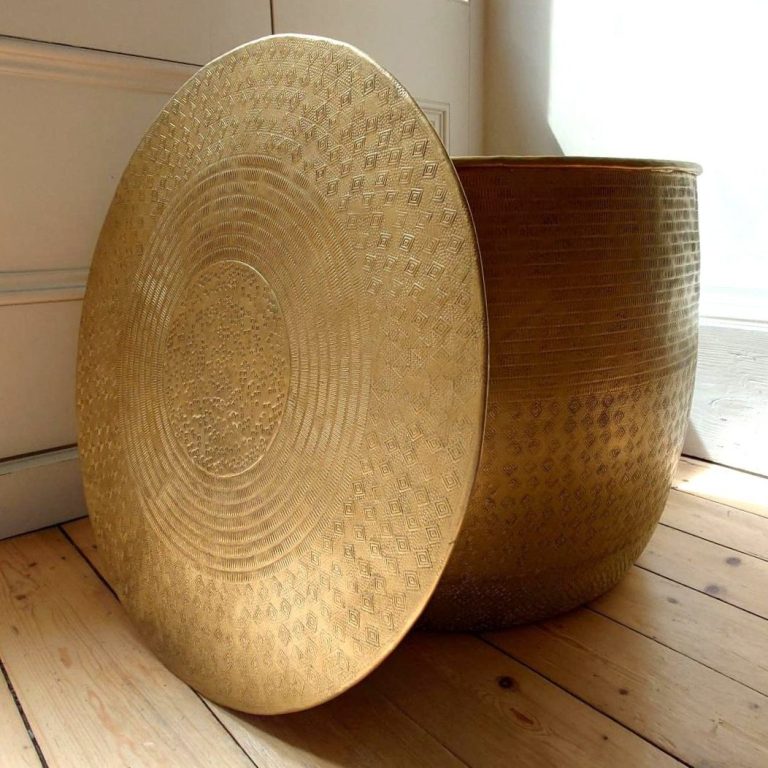
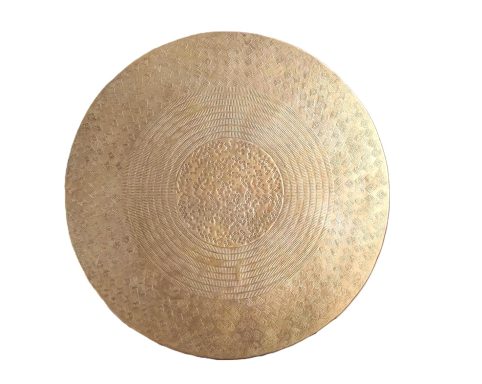
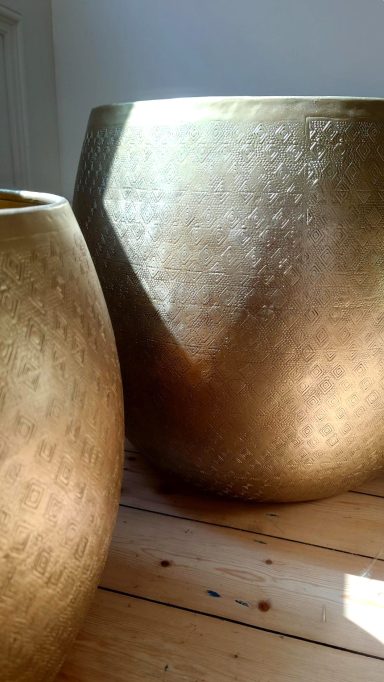
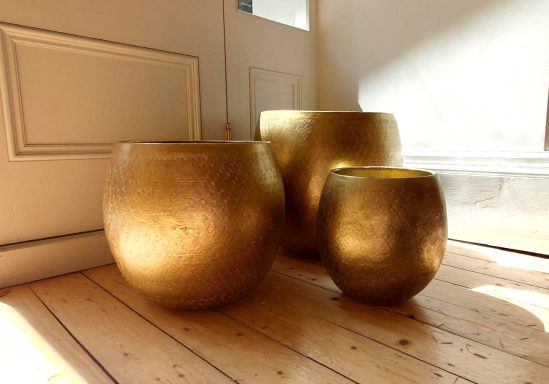
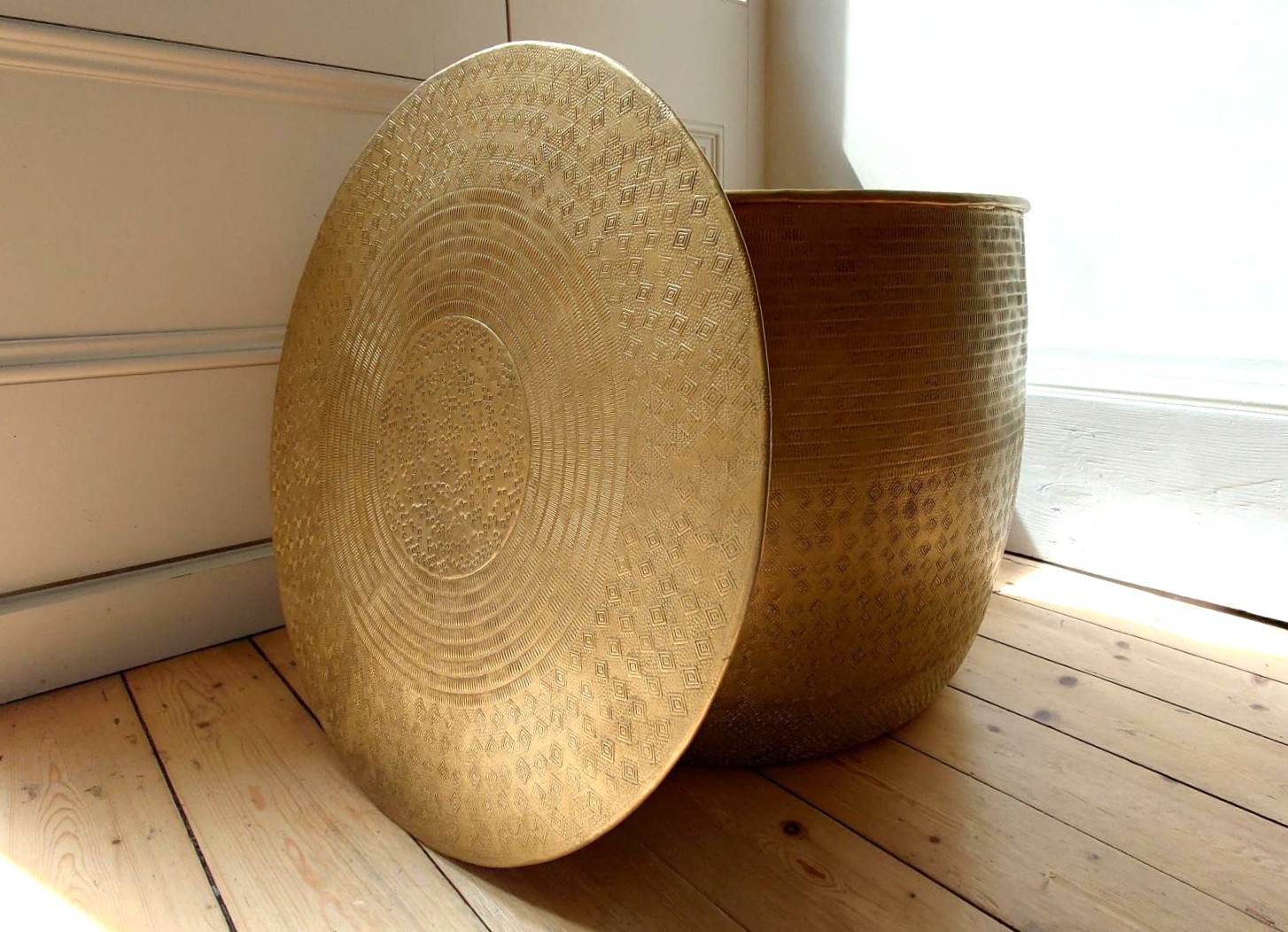
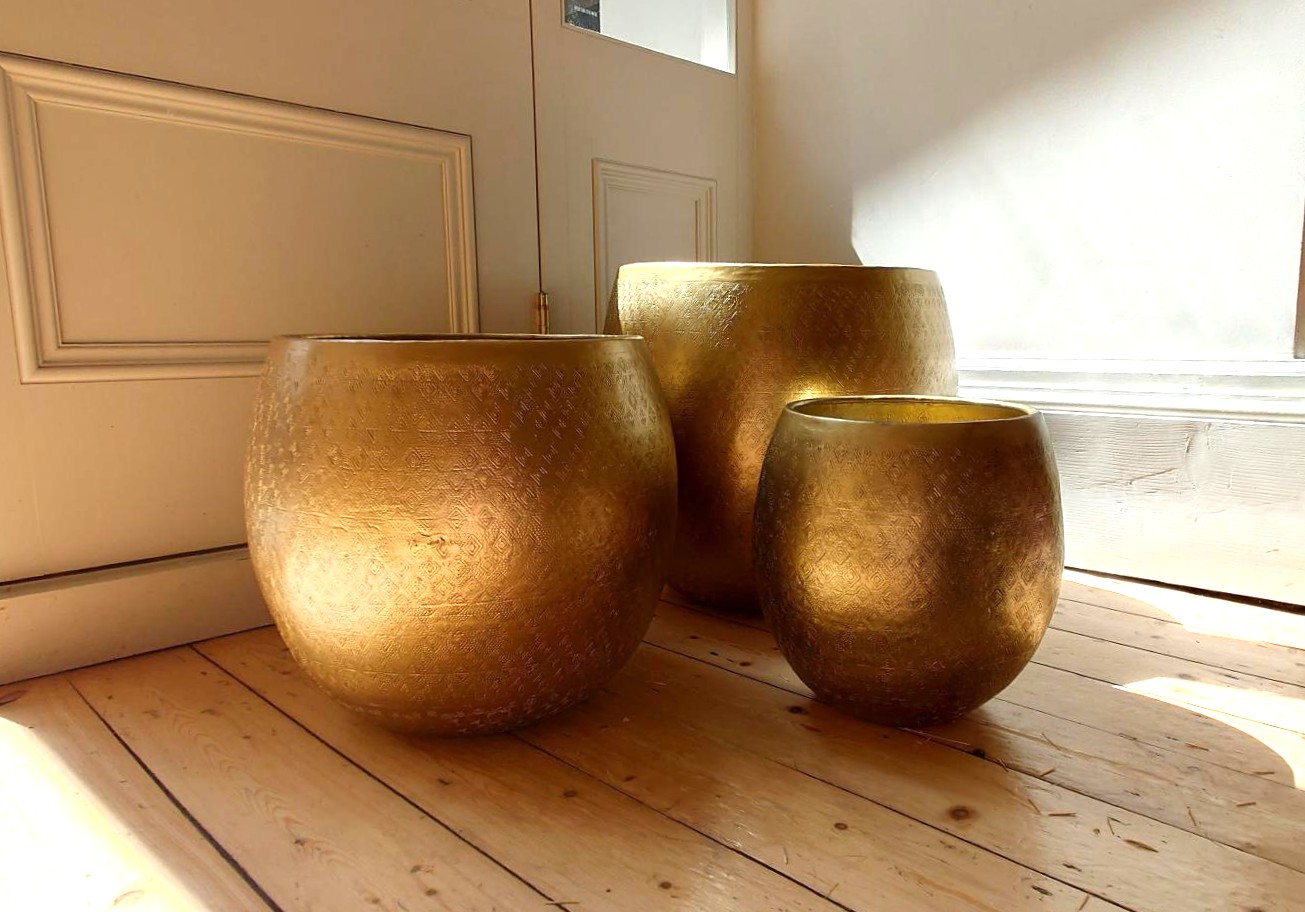
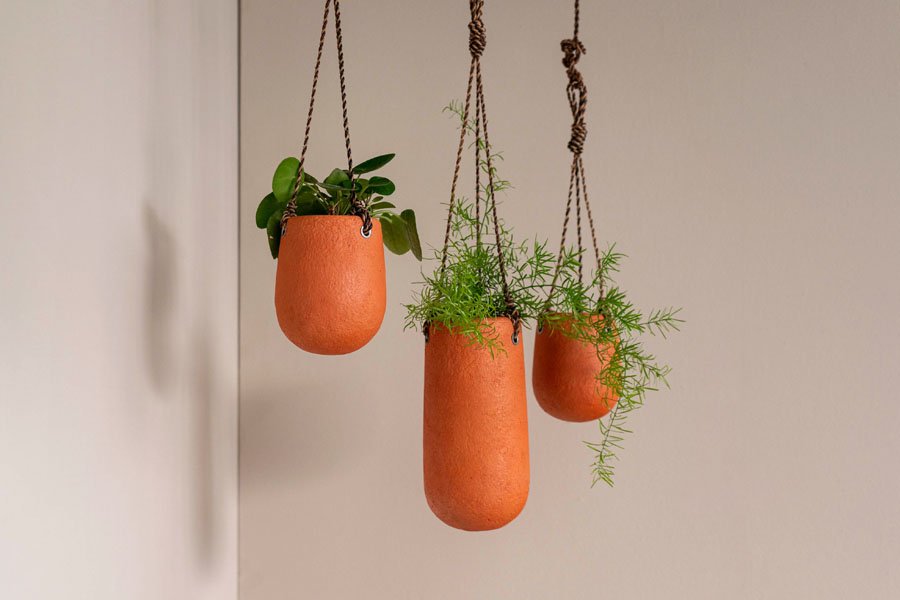
Hand hammered storage tables and plant pots.
Homeware
Guarantees
Planet friendly
Hand made
Quality items
Made by skilled artisans
AS SEEN IN
Living in Harmony's products can be seen and found in the following design journals and Etsy.
Libelle Living
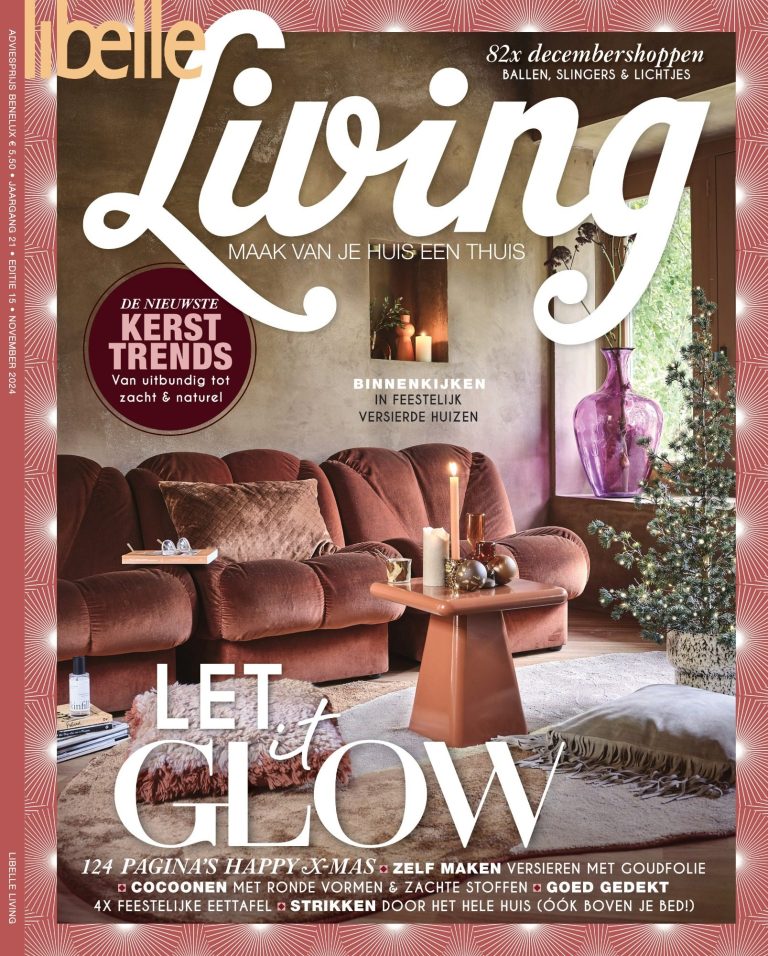
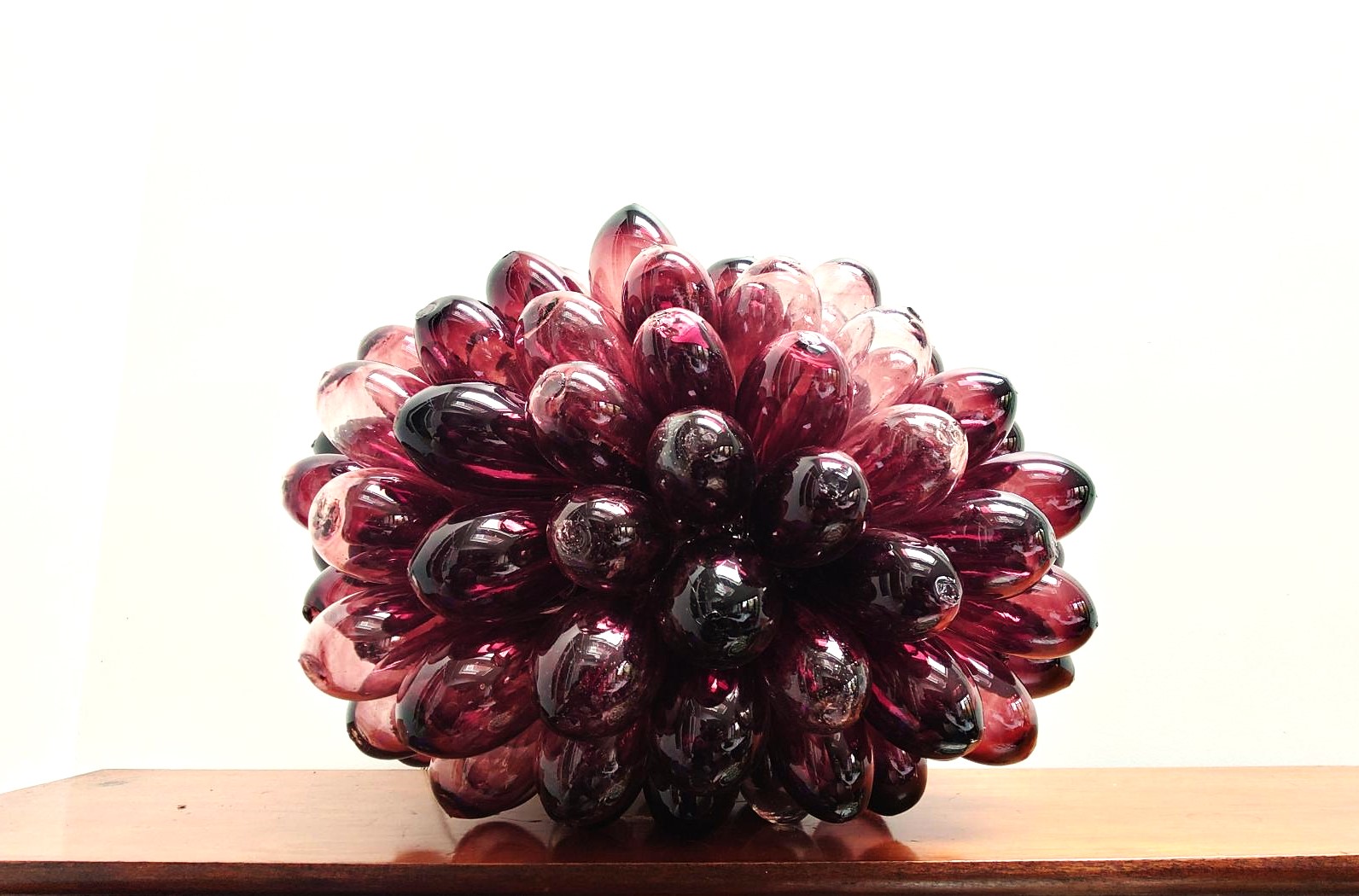
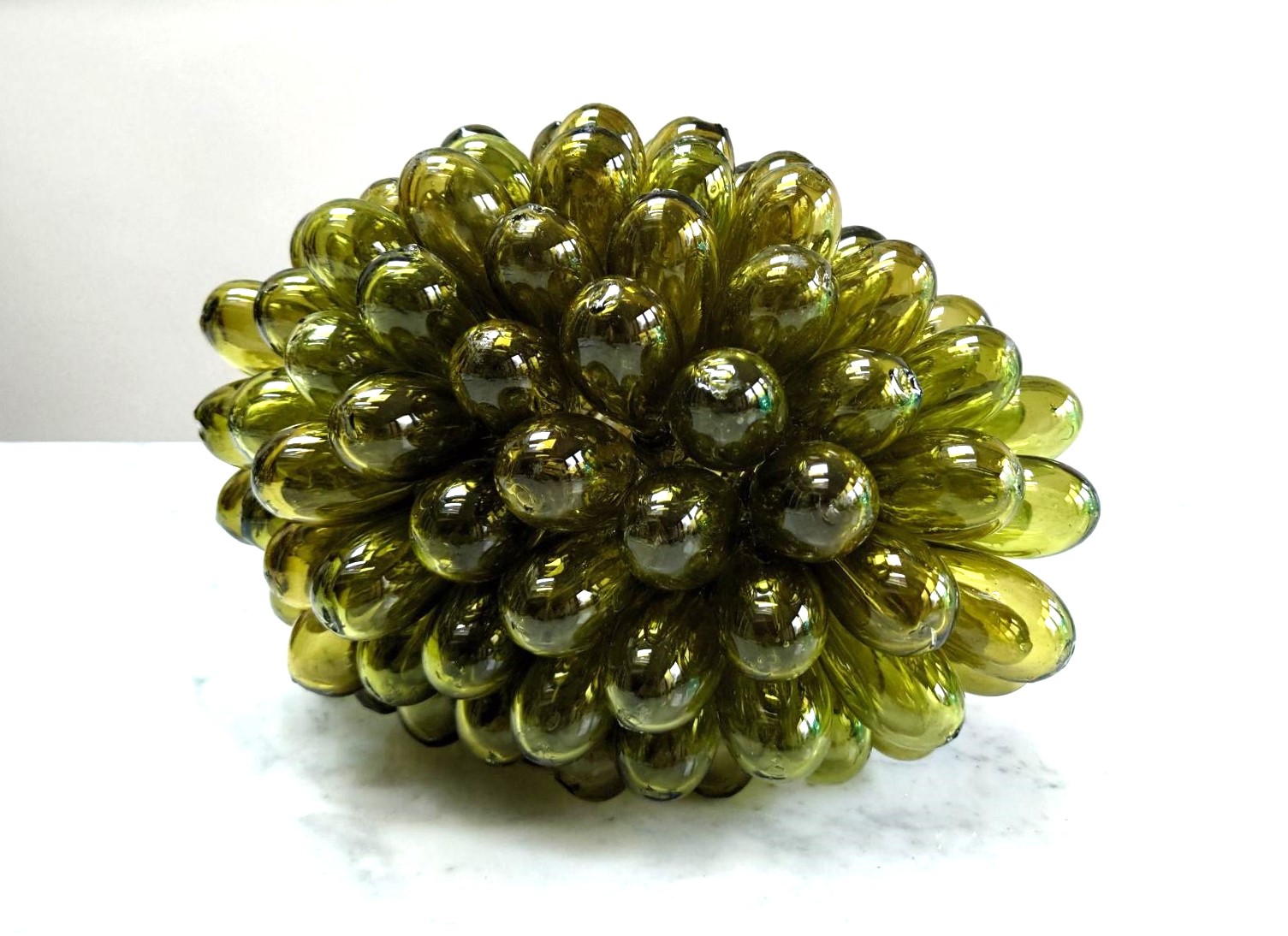
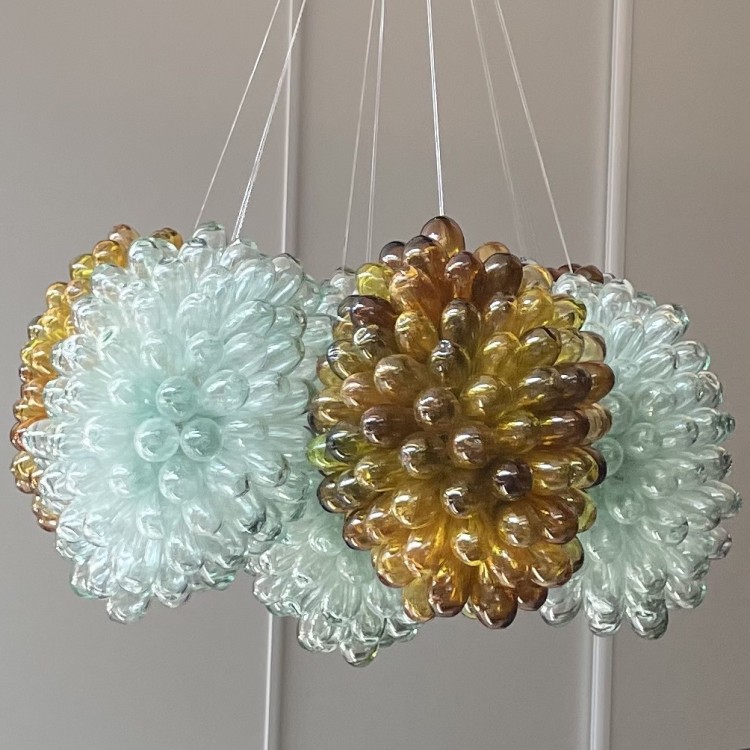
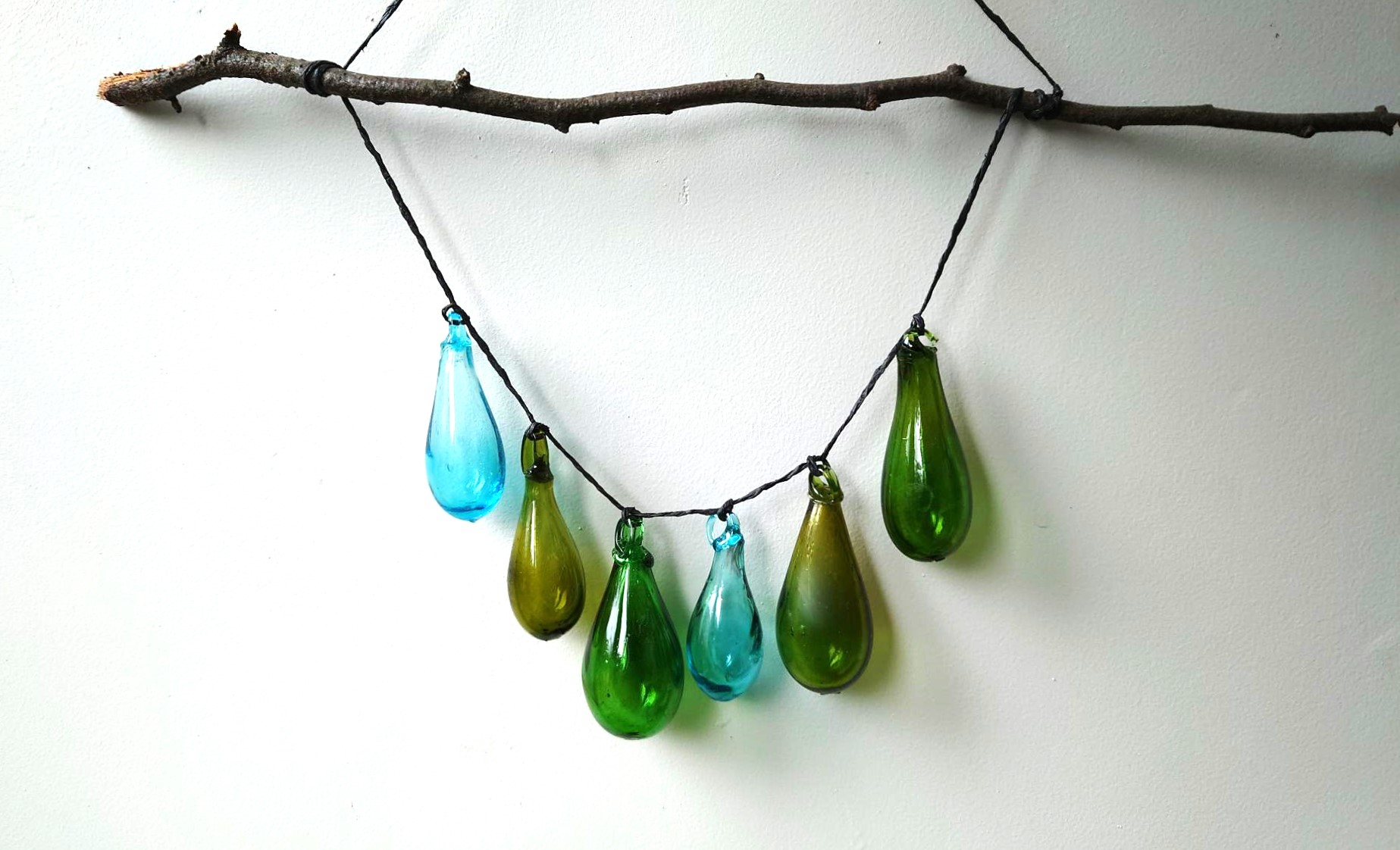
Featuring glass baubles.
VT Wonen

Featuring glass baubles.
Traditional craft
Supporting the work of artisans not only protects traditional craftsmanship but retains a way of life for communities who have learnt through generations how to make use of local materials and protect their local environment.
Meet the makers
Learn the story of some of the makers and processes involved in producing a few of the products on offer.
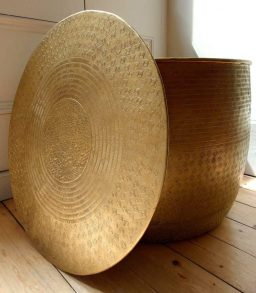
Hand hammered metal
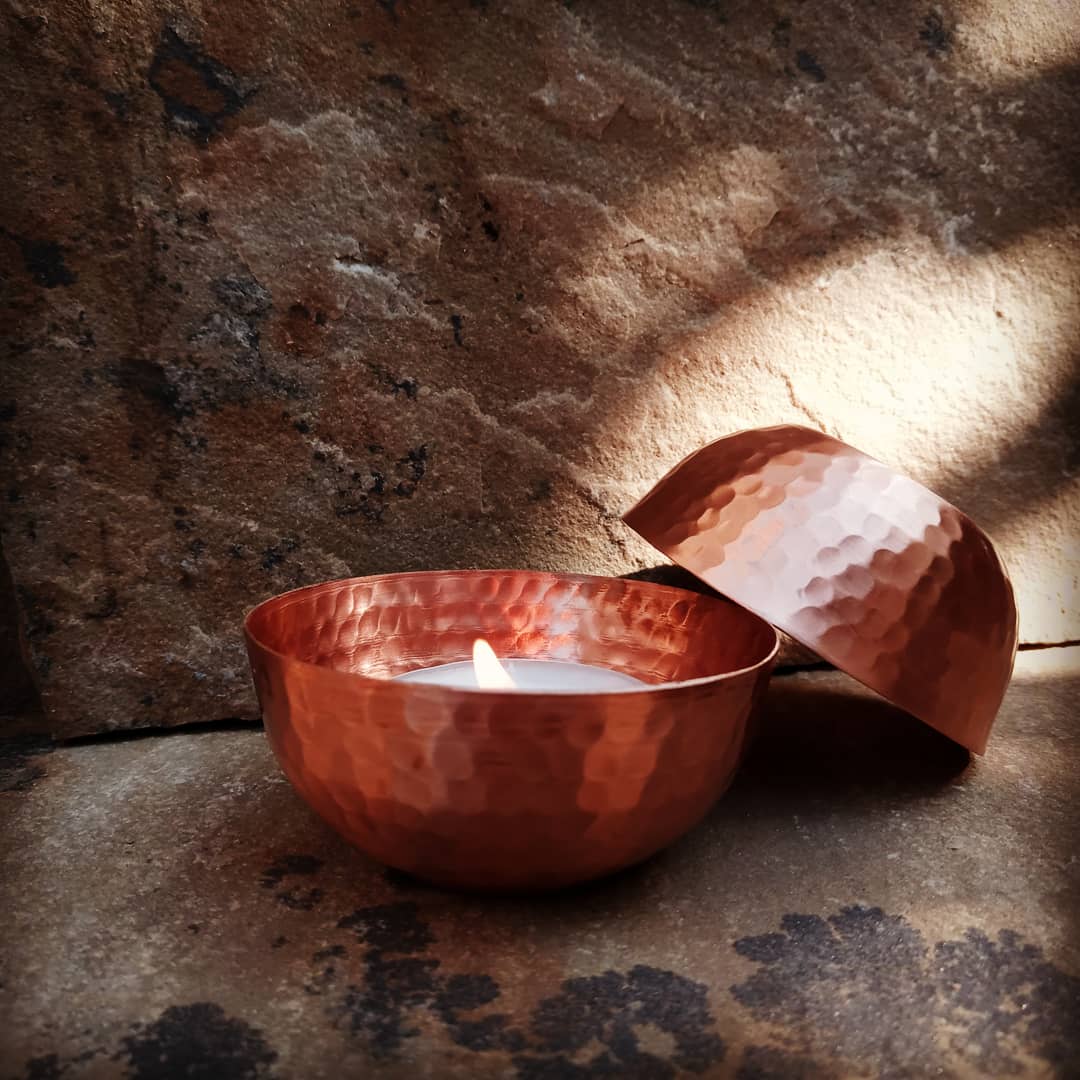
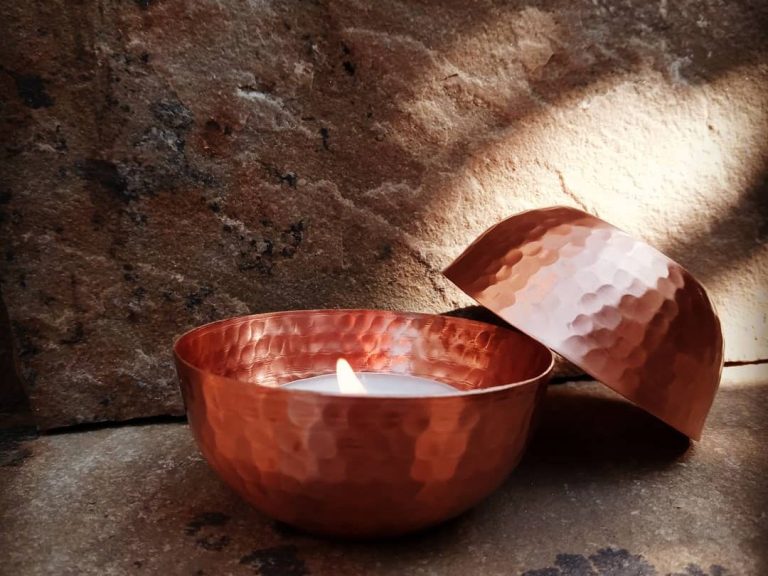
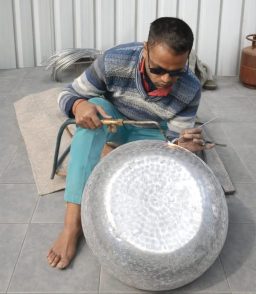
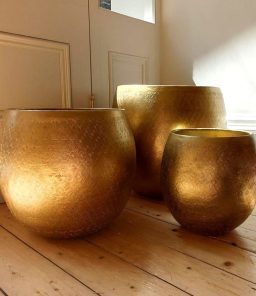
These hand crafted copper and brass bowls, tea-light holders and other items are all made by a community from India called Tathera of Rajasthan. They specialise in hand hammering metal using hand made tools.
Basket weaving
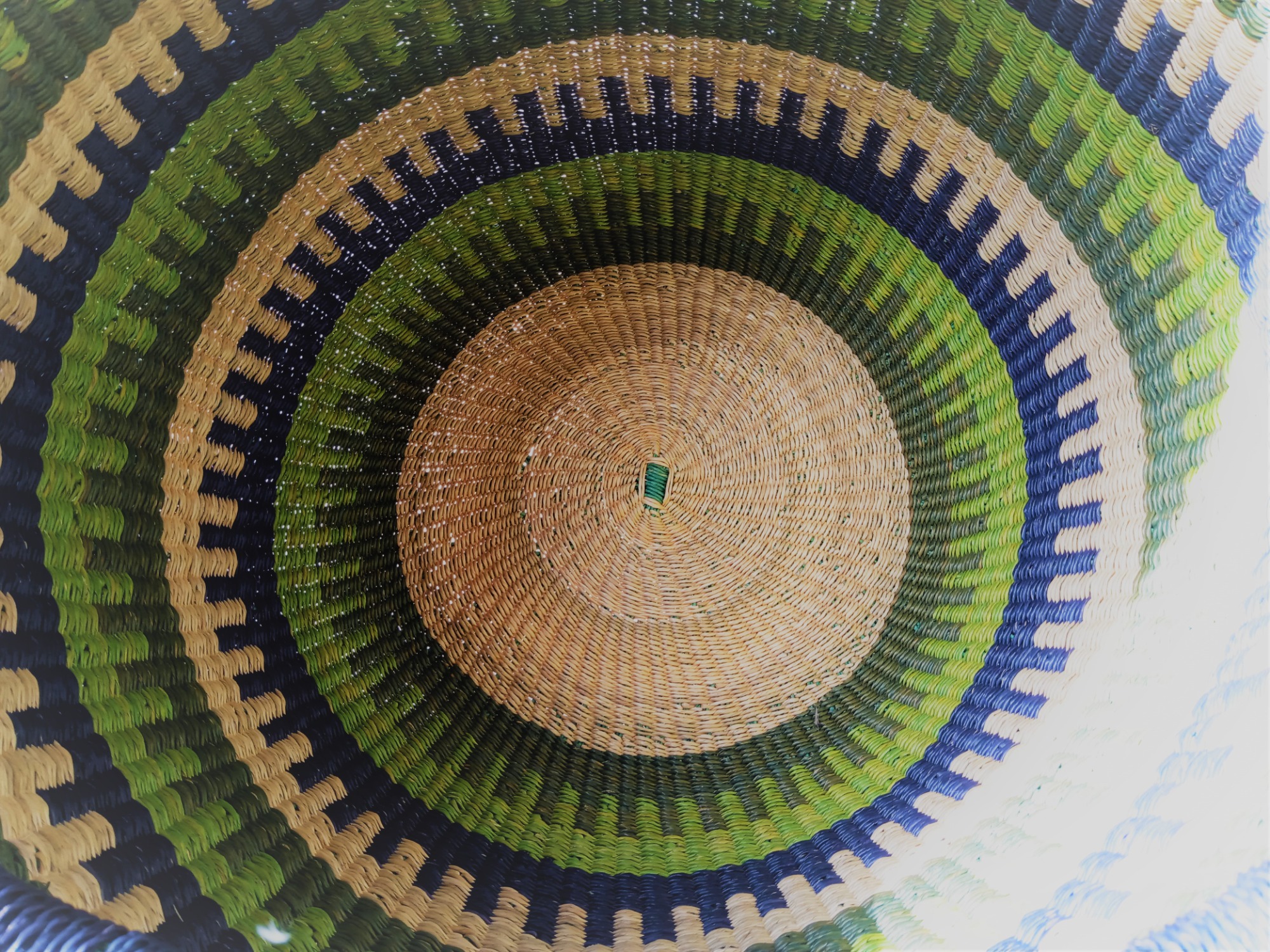
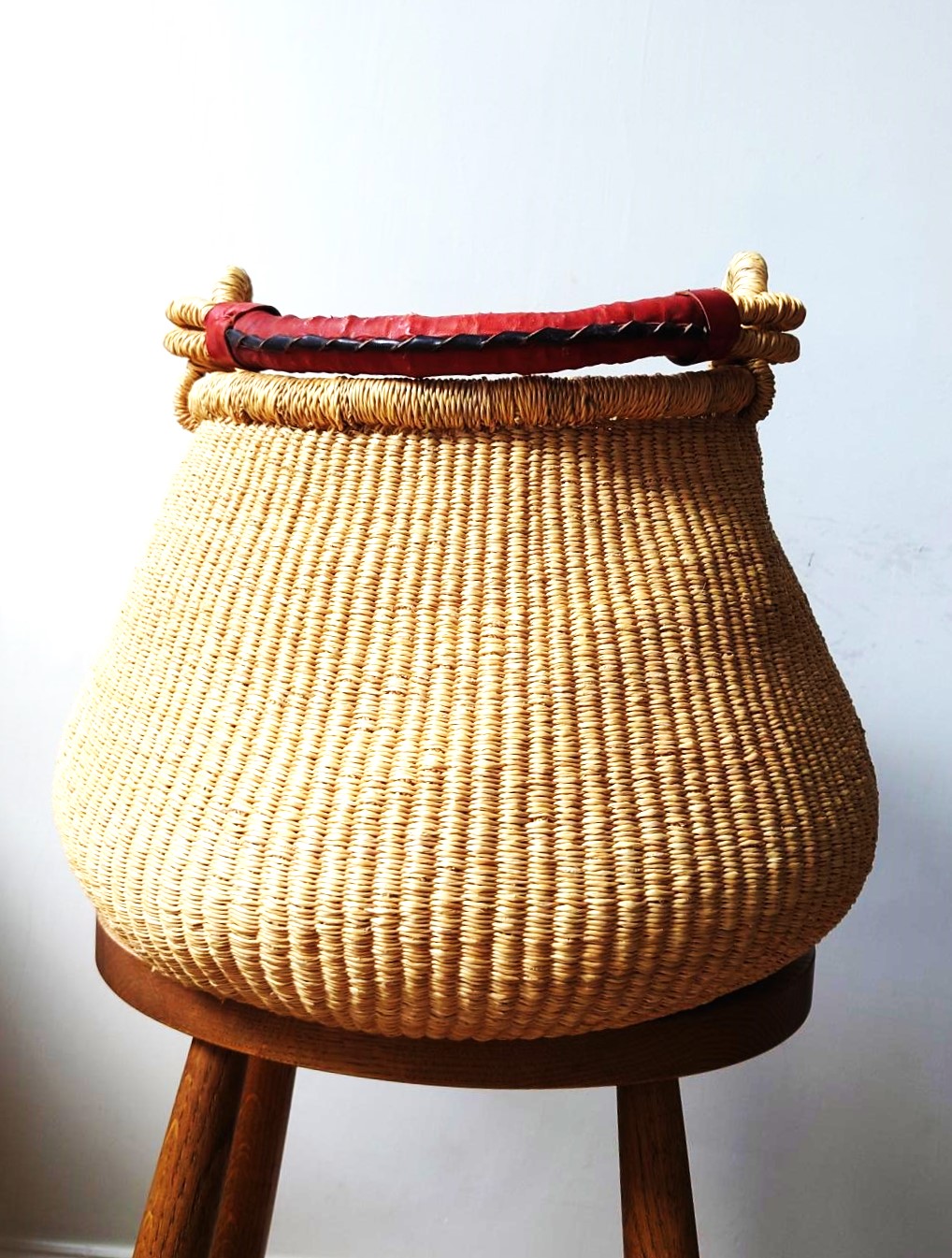
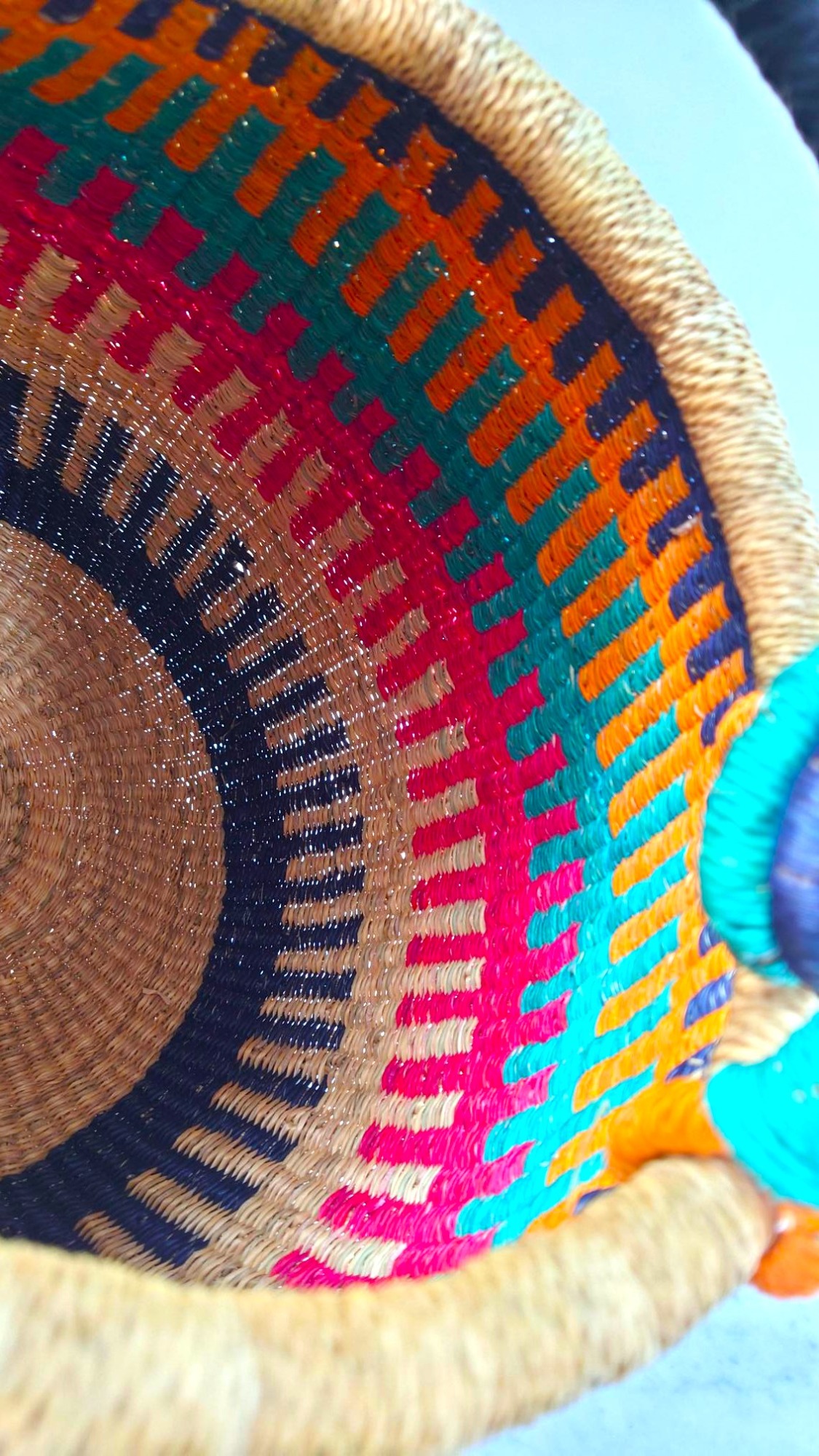
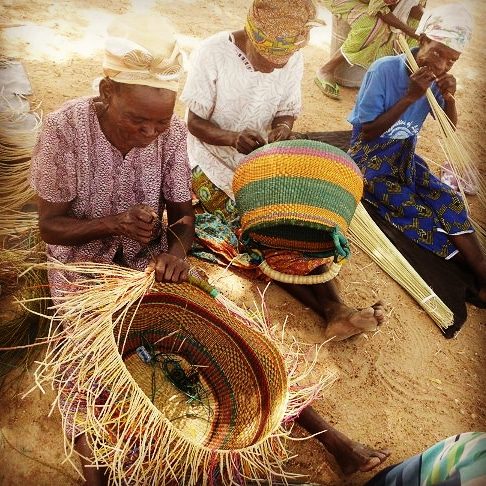
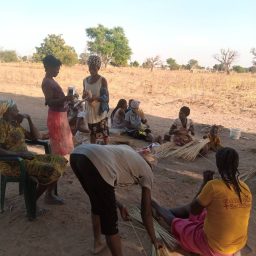
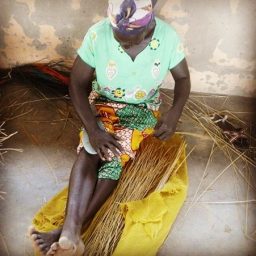
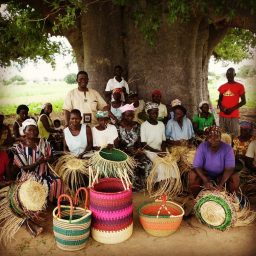
The baskets at Living in Harmony are all handmade in Ghana, which has a long history of basket weaving, by a community of women specialising in this craft.
The baskets are made from elephant grass which is grown locally and hand picked. Once it has dried it is split to make ready for weaving and dyed in lots of wonderful colours. One basket can take up to a week to complete.
Tamegroute pottery
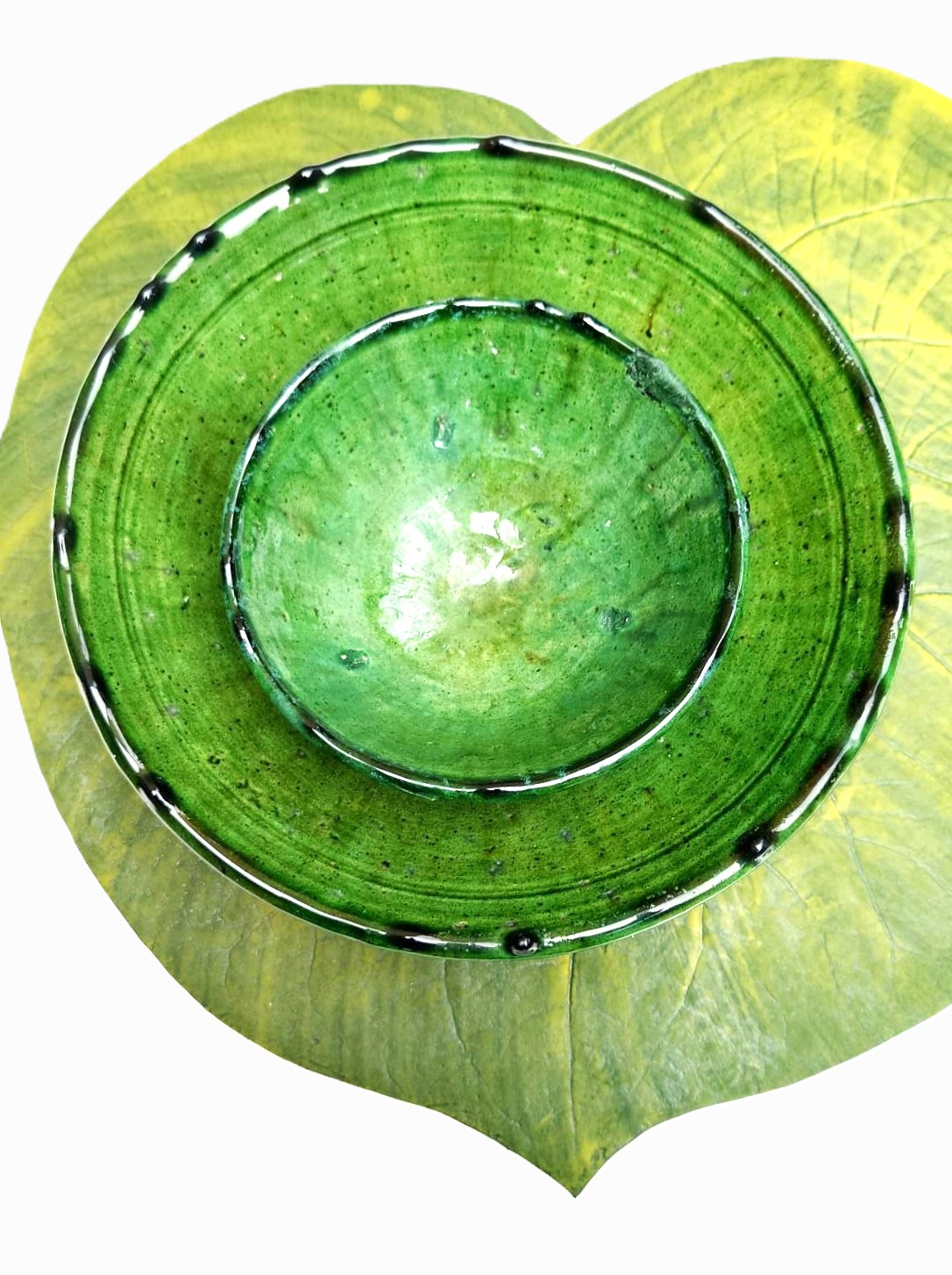
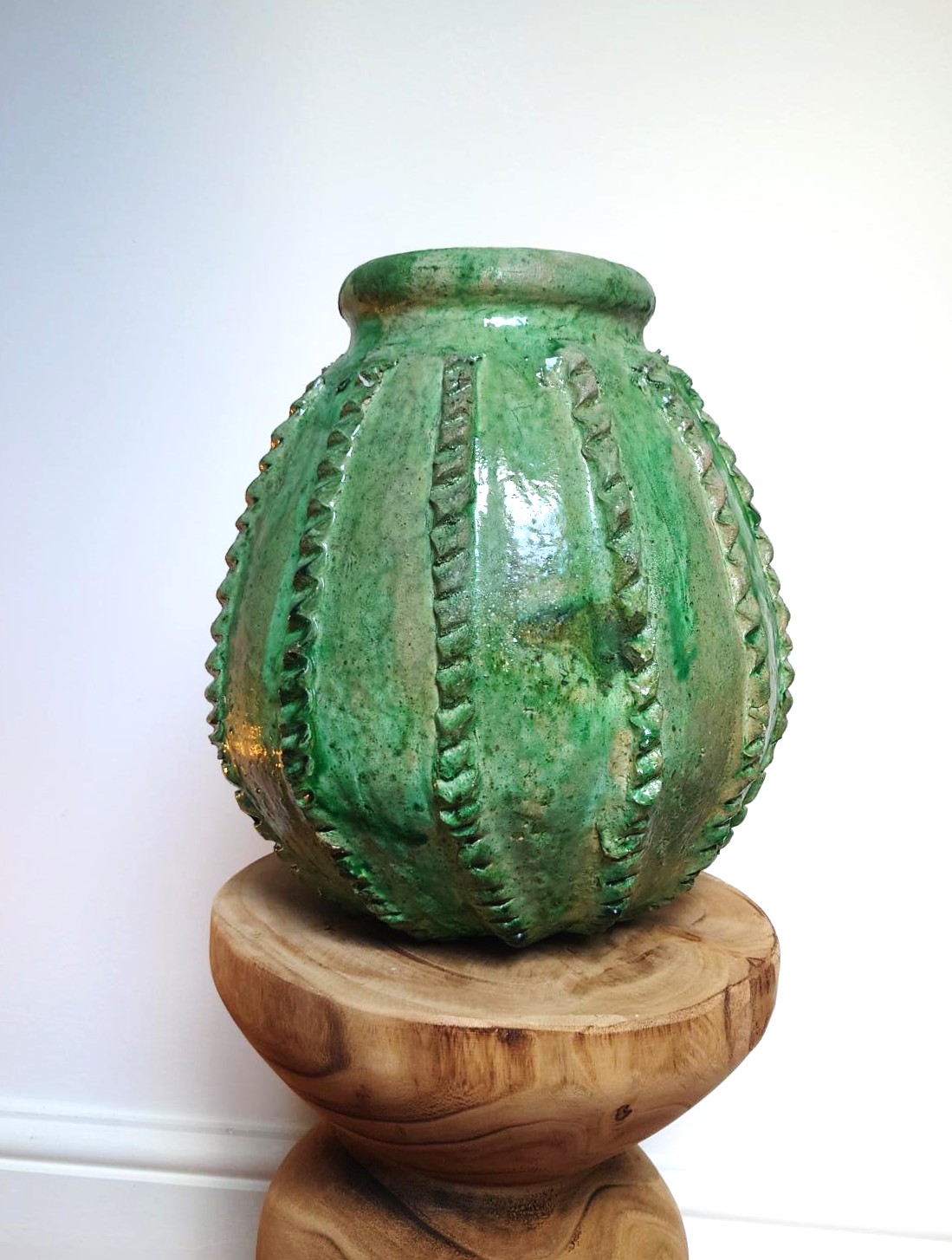
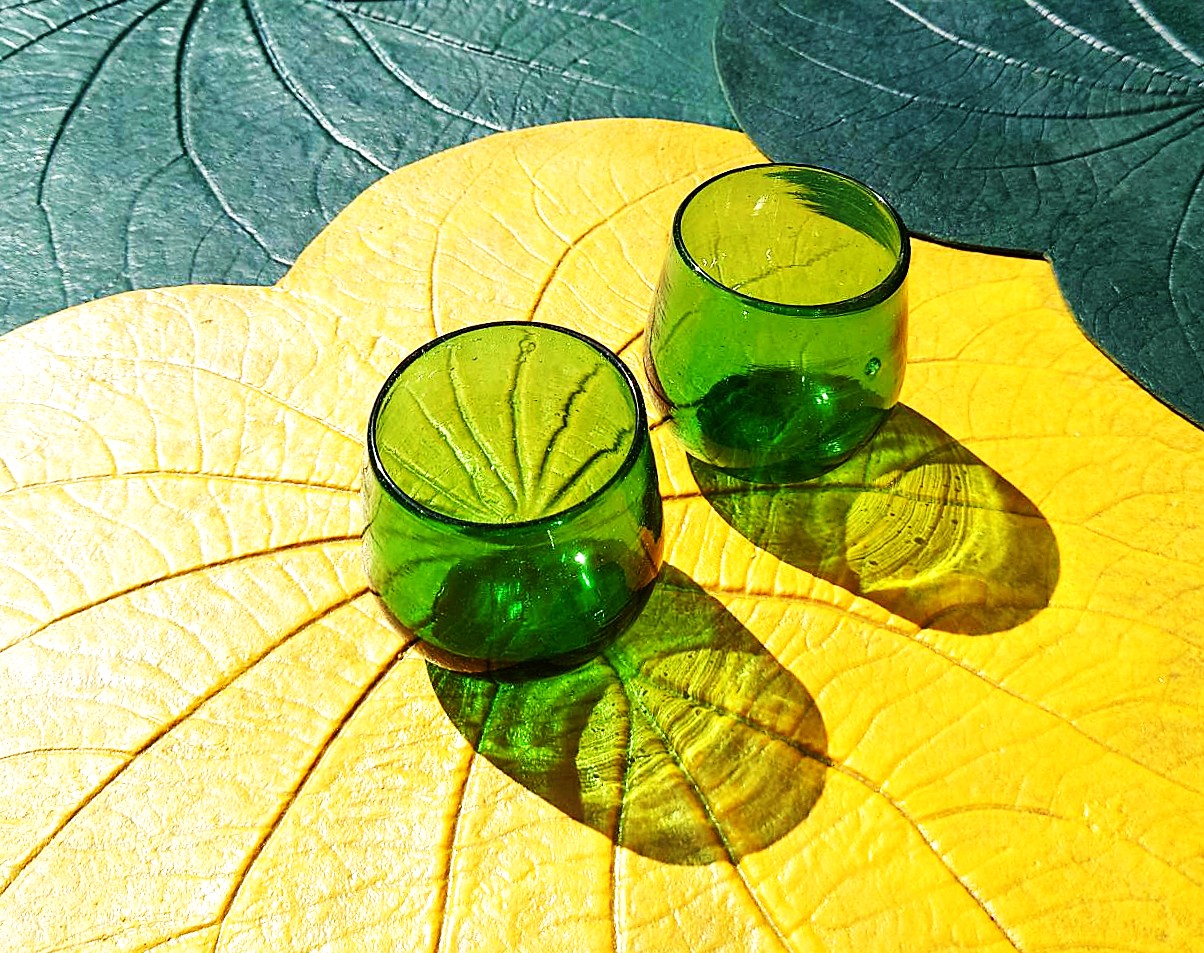
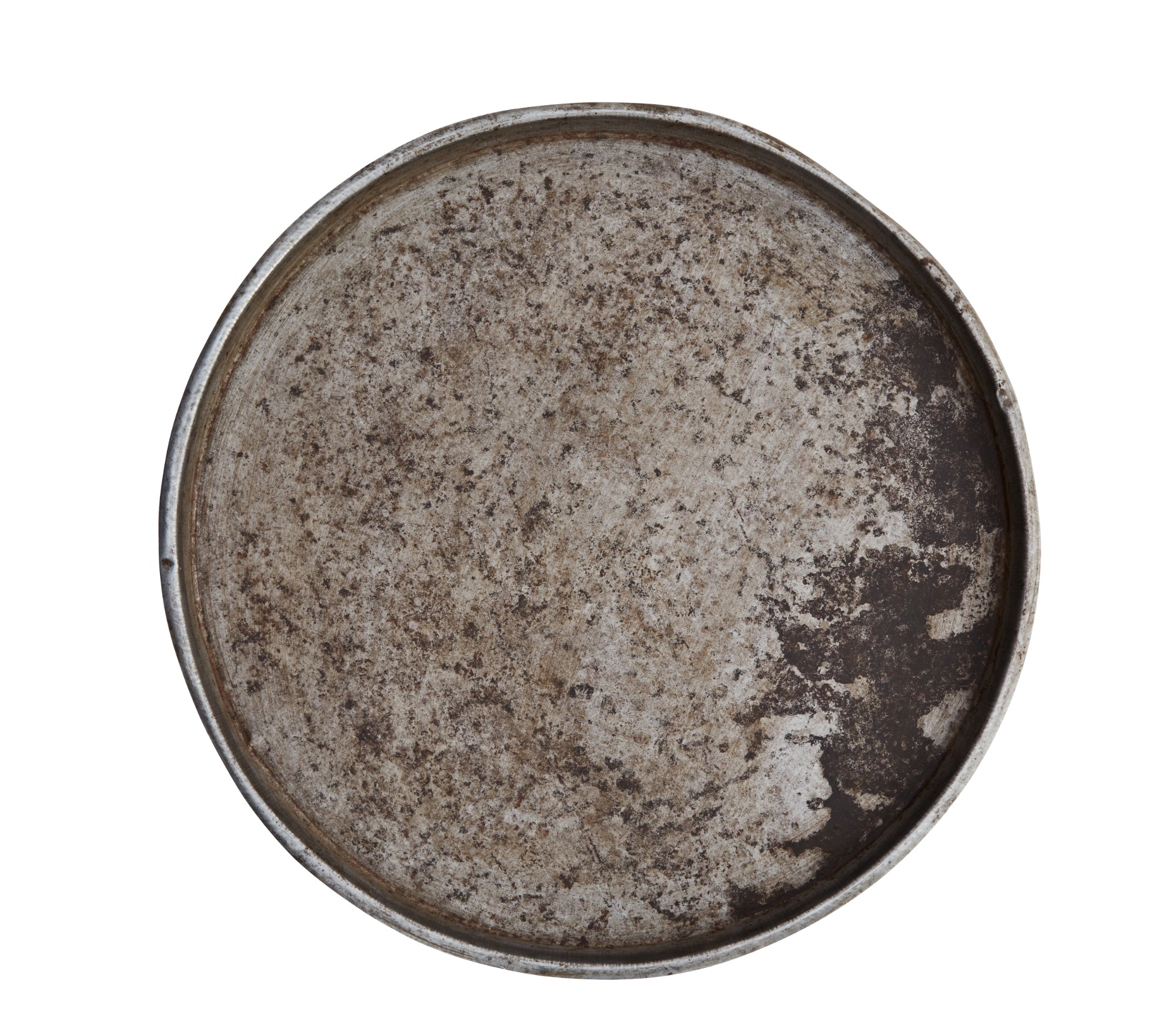
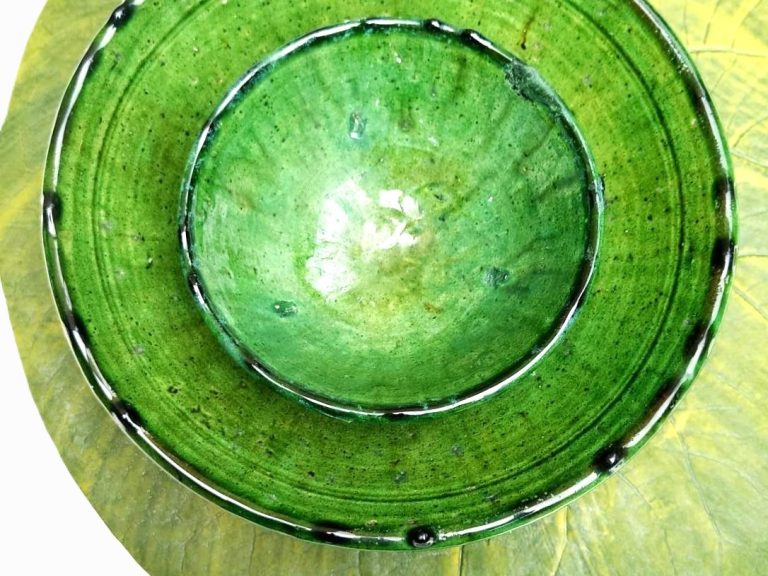
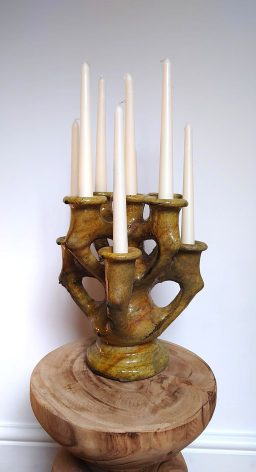
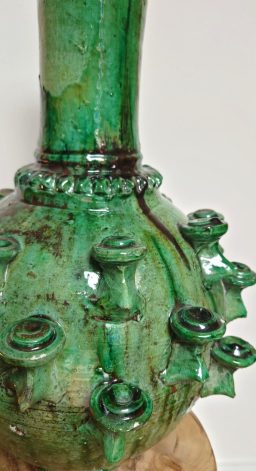
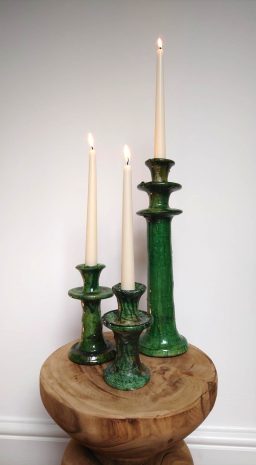
Tamegroute pottery is a traditional Moroccan ceramic known for its distinctive green glaze. It is handcrafted in the village of Tamegroute near the Sahara Desert using Saharan clay and traditional production methods originating from the 17th century. Over centuries, this craft has been preserved by local families, making Tamegroute pottery more than functional ware; it is a living heritage that sustains local families and preserves centuries-old techniques. Each piece embodies the history, desert environment, and dedication of the artisans.
The hallmark of Tamegroute pottery is its emerald-green glaze a unique color achieved through a secret blend of minerals, copper, kohl, local rocks, and barley, combined with a specific firing process in dome-shaped kilns fueled by palm leaves, dry thorns, and wood chips . The glaze’s heterogeneous appearance, sometimes spotted or smooth, reflects the natural and artisanal character of the pottery.
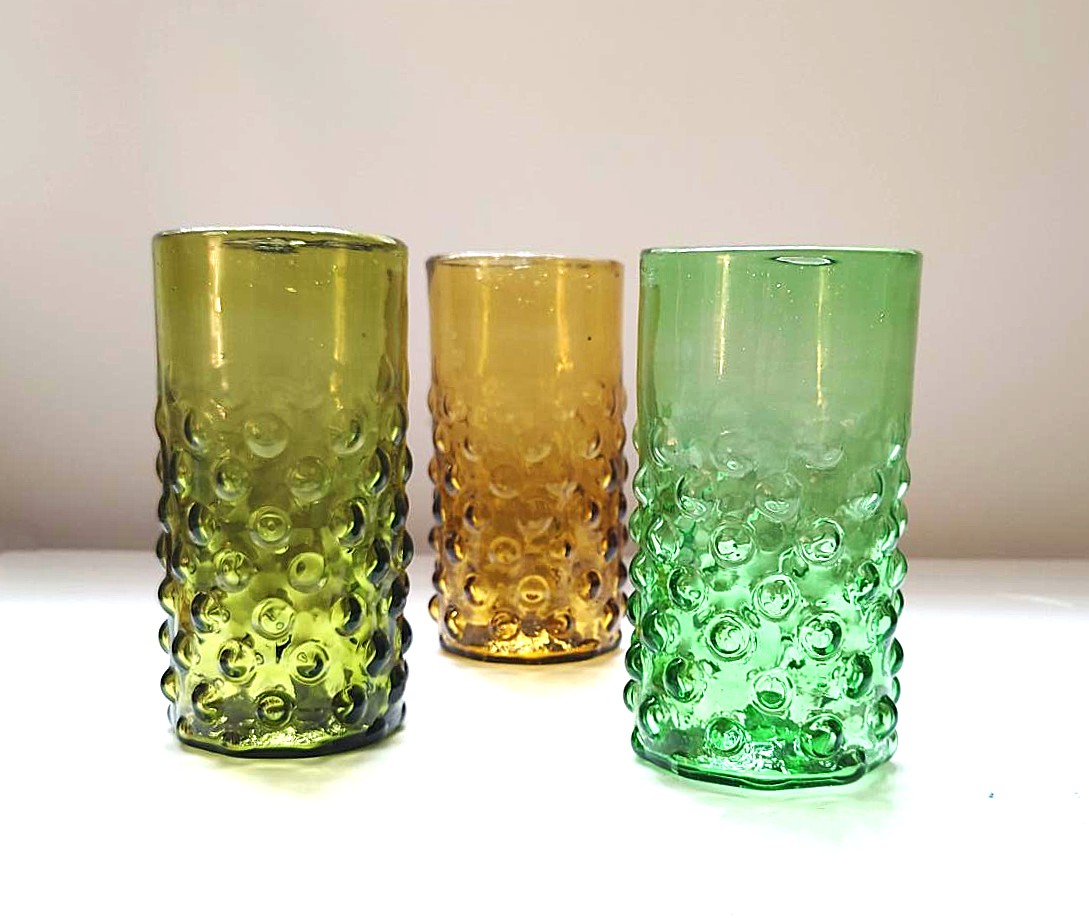
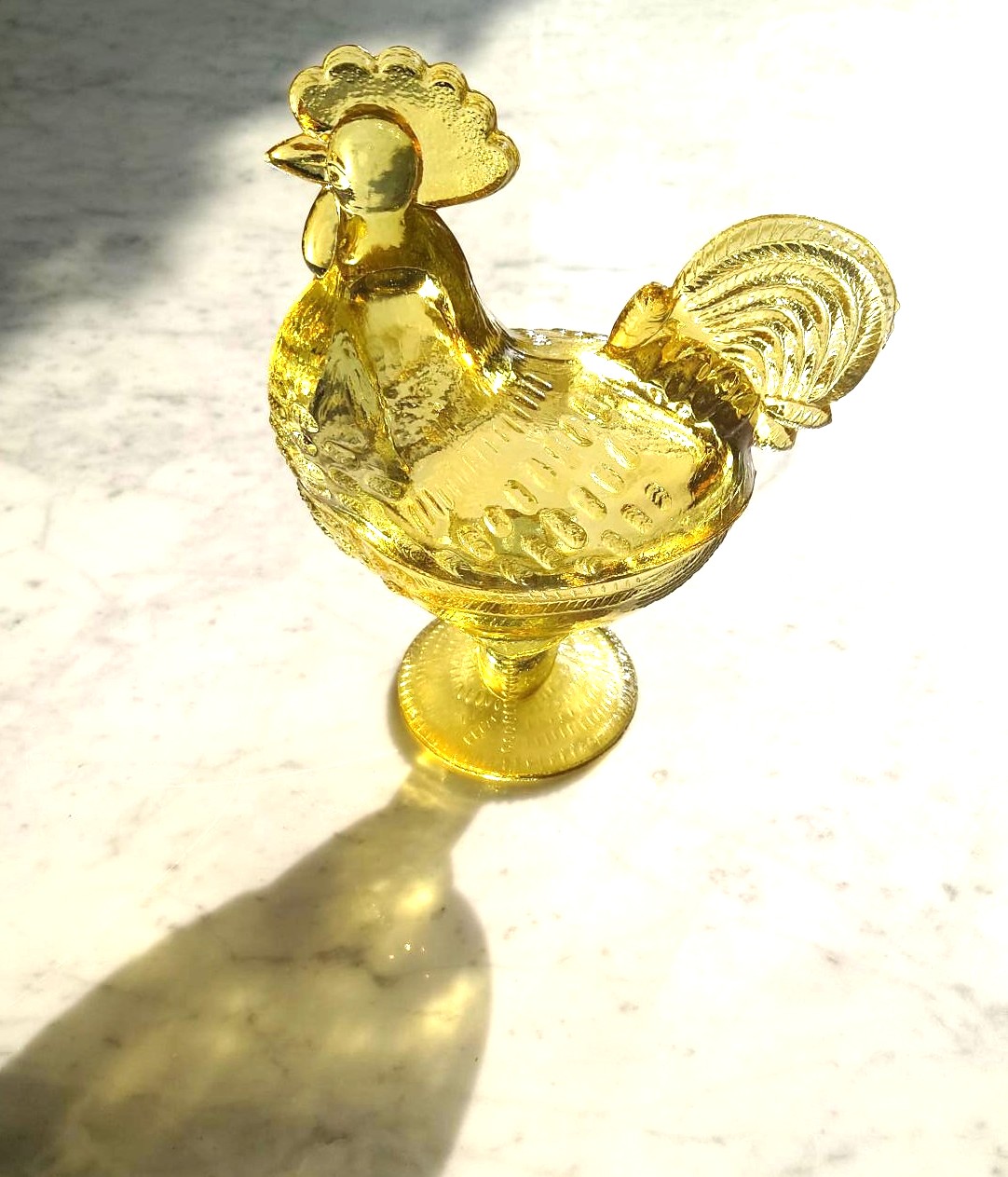
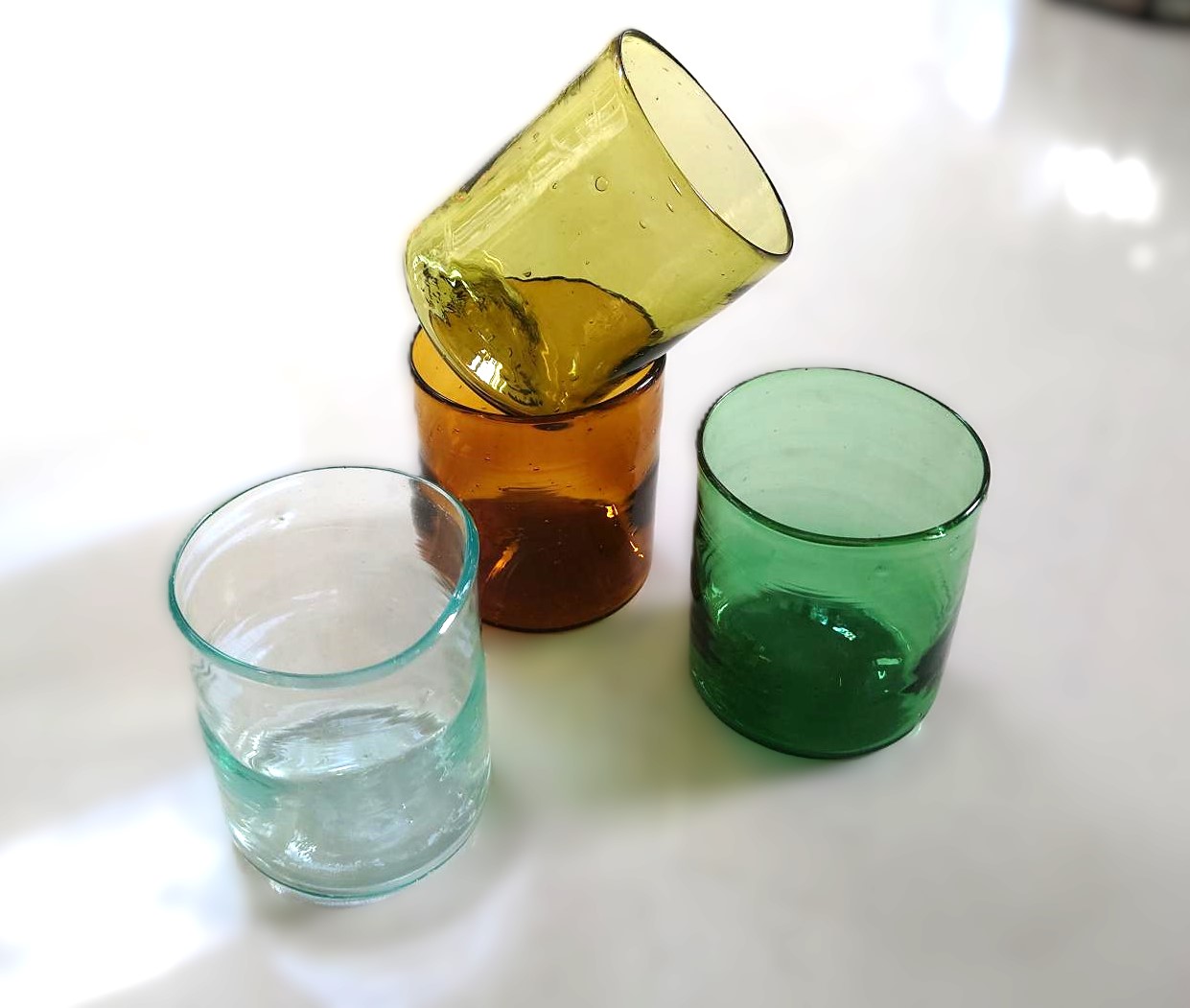
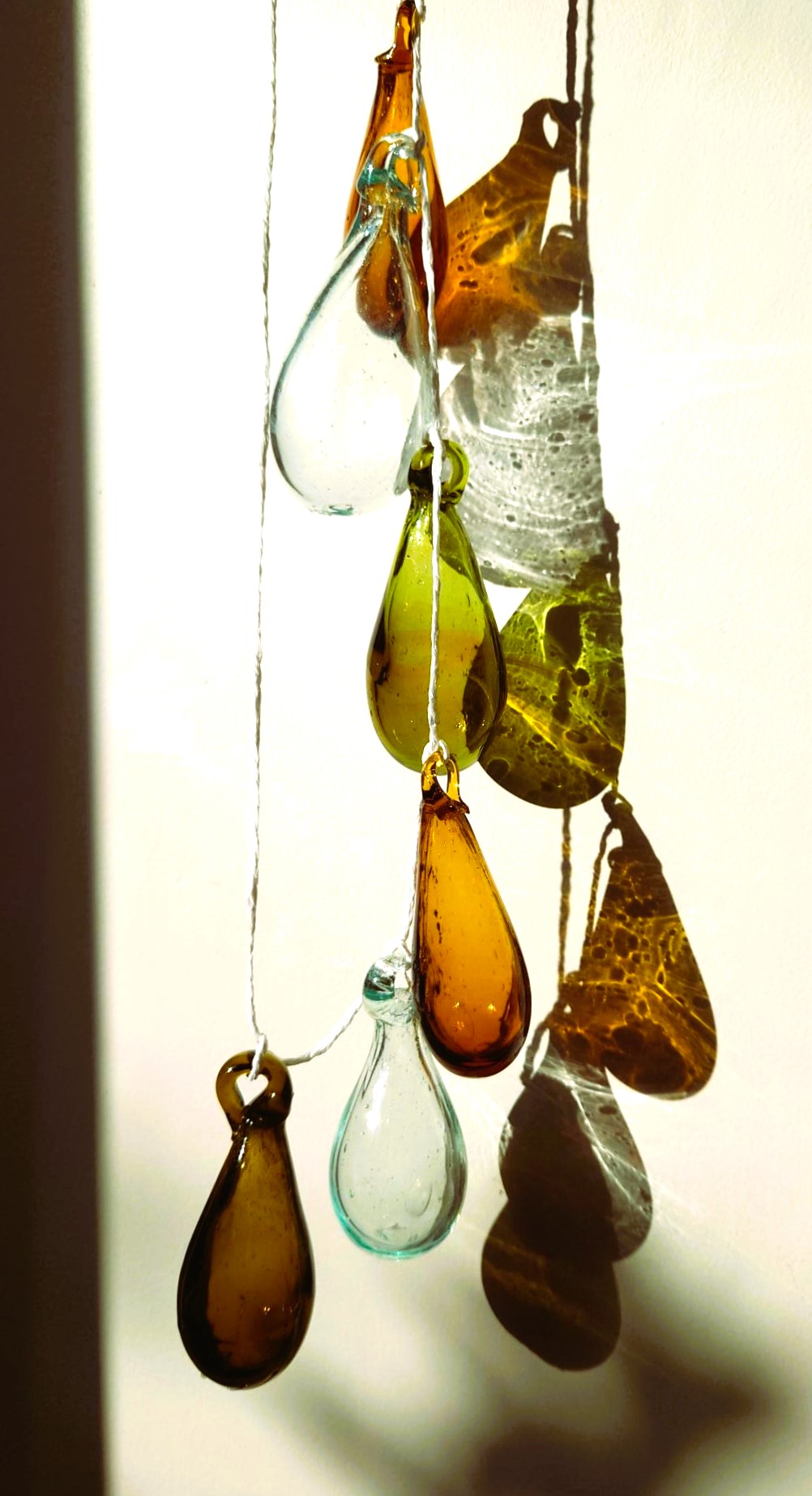
Glass blowing
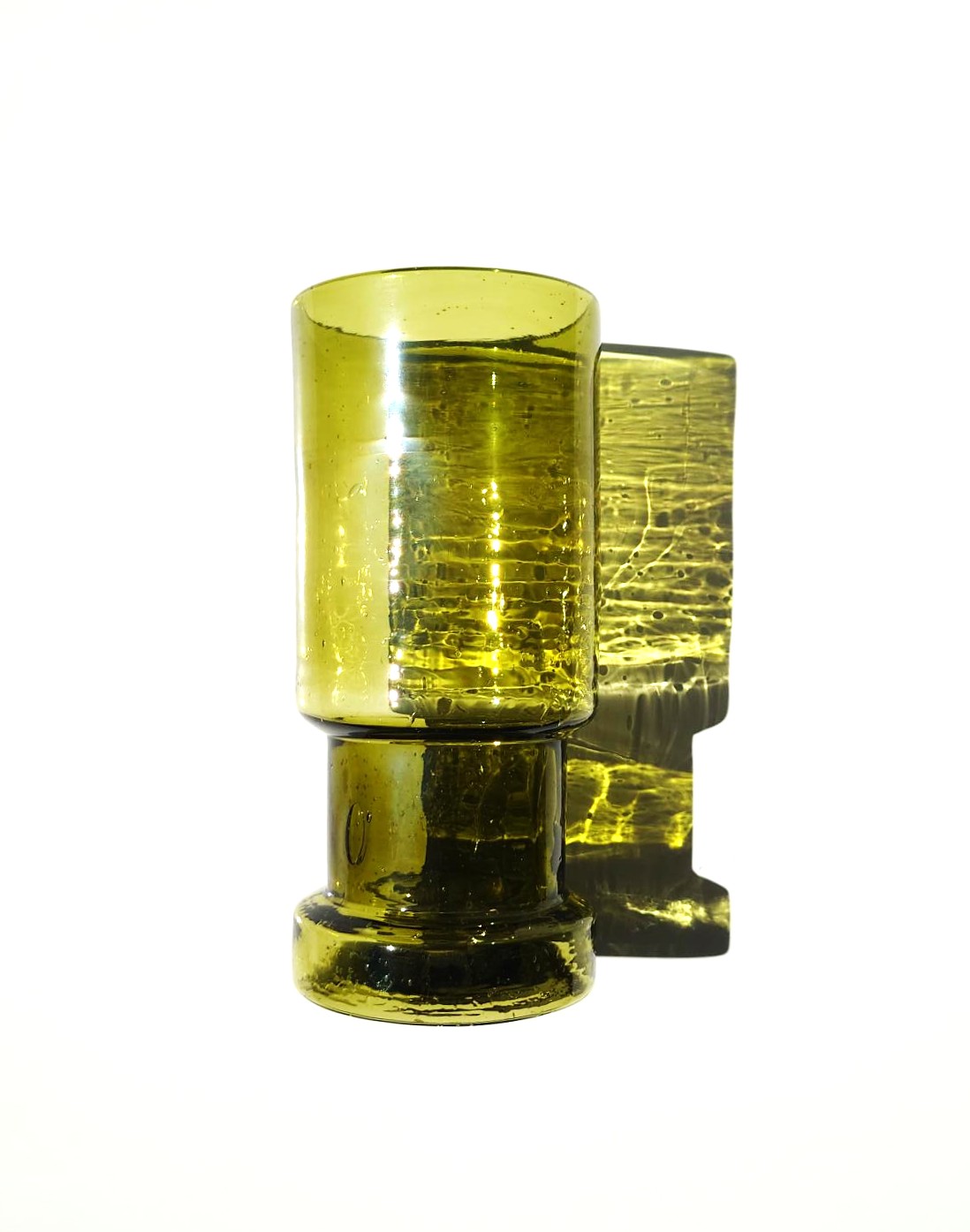
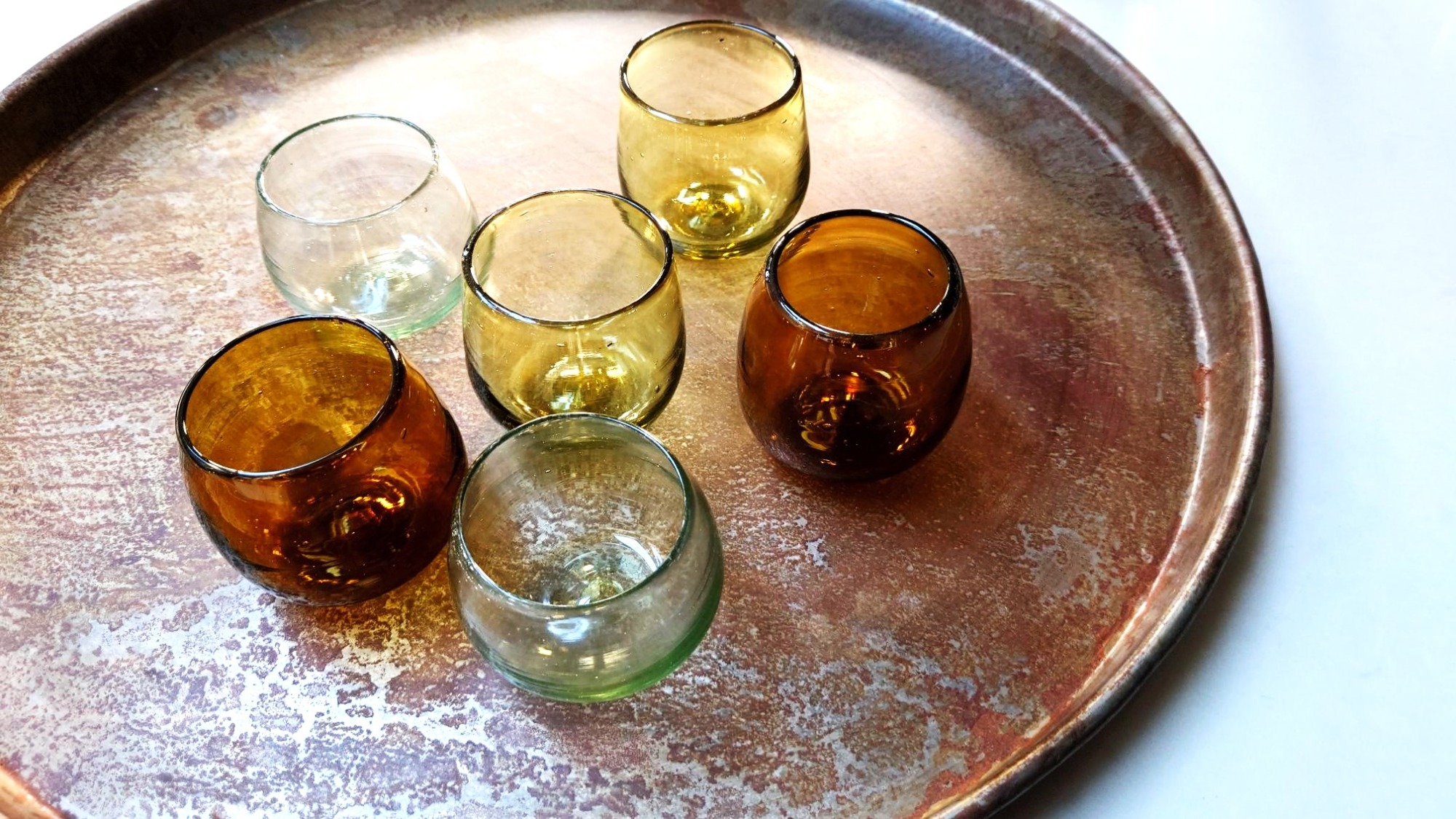
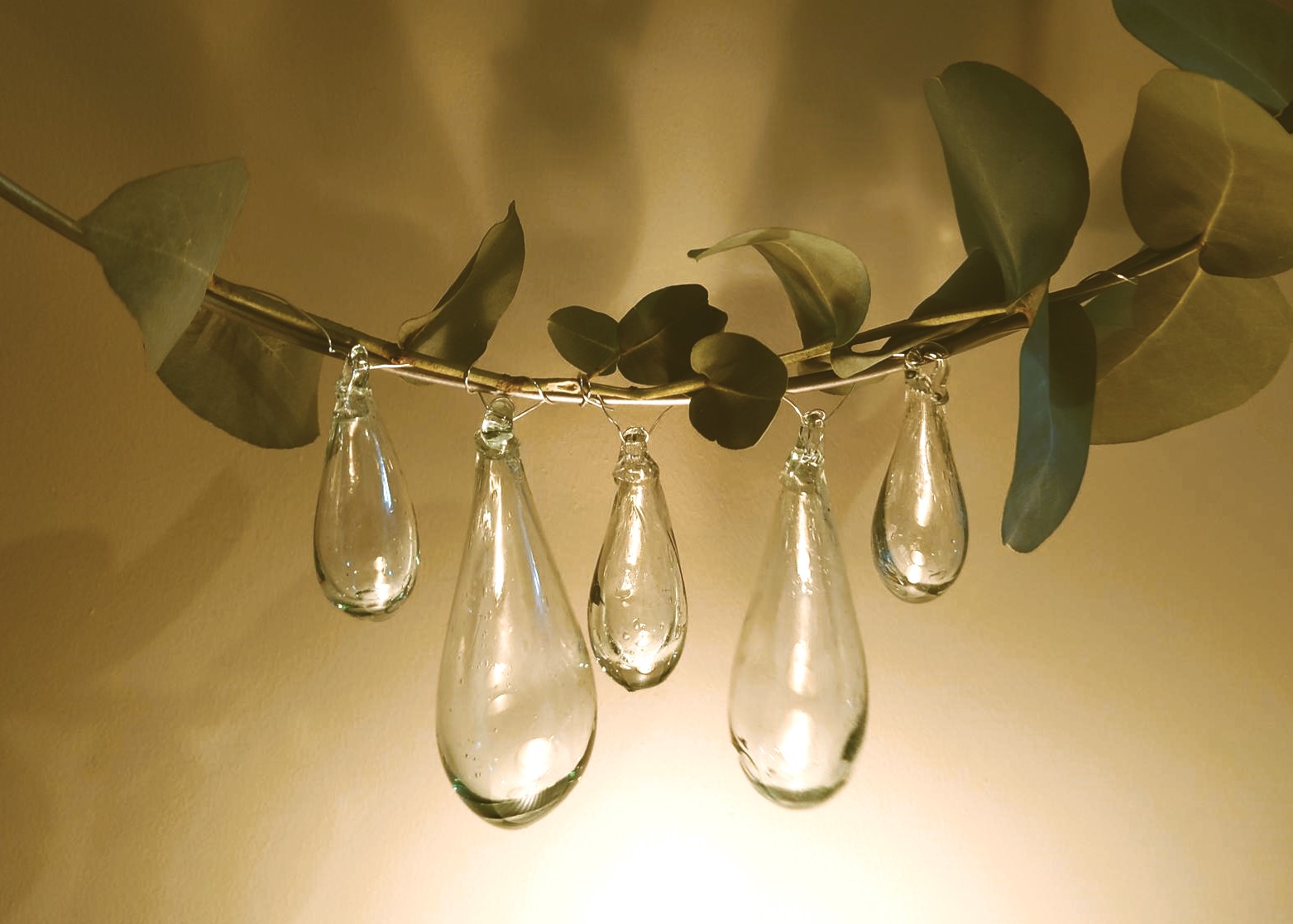
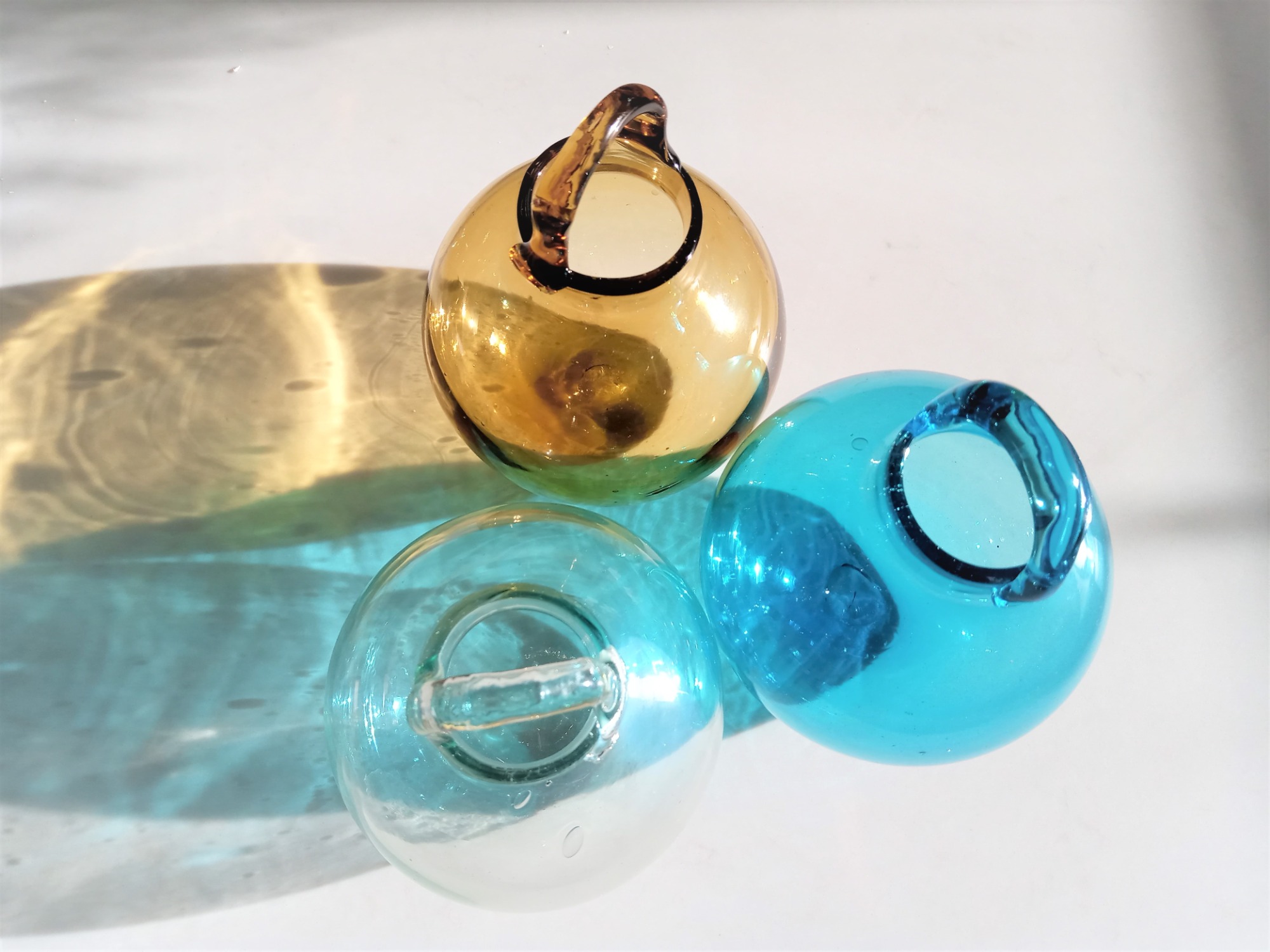
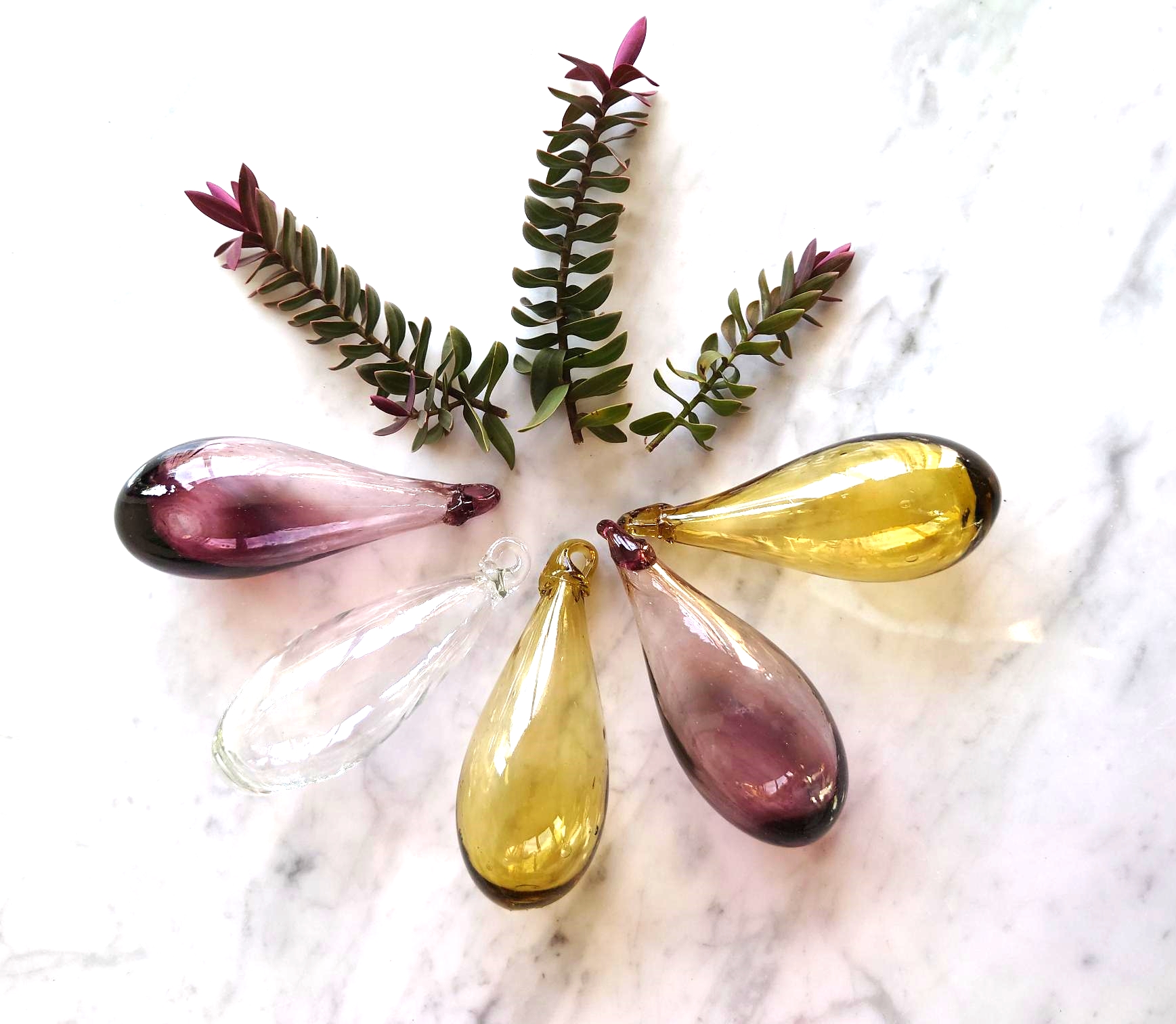
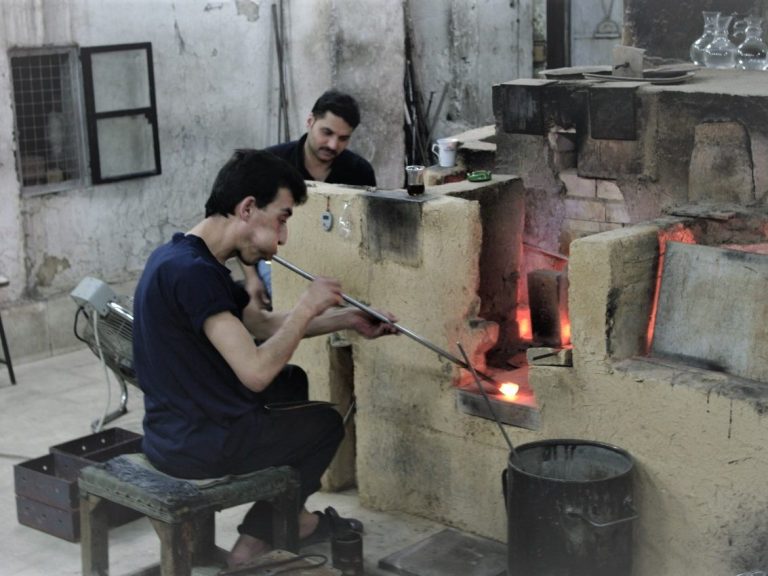
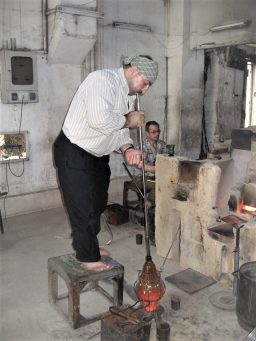
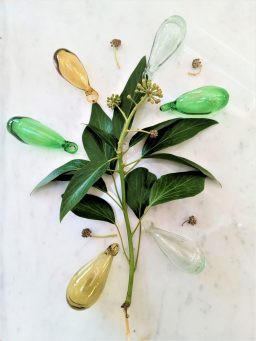
The glass is produced by a small community of Syrian glass blowers who are keeping a traditional craft alive. They have suffered from the effects of war in Syria, seeing a decline in the demand for their products locally coupled with the reduction of people visiting Syria.
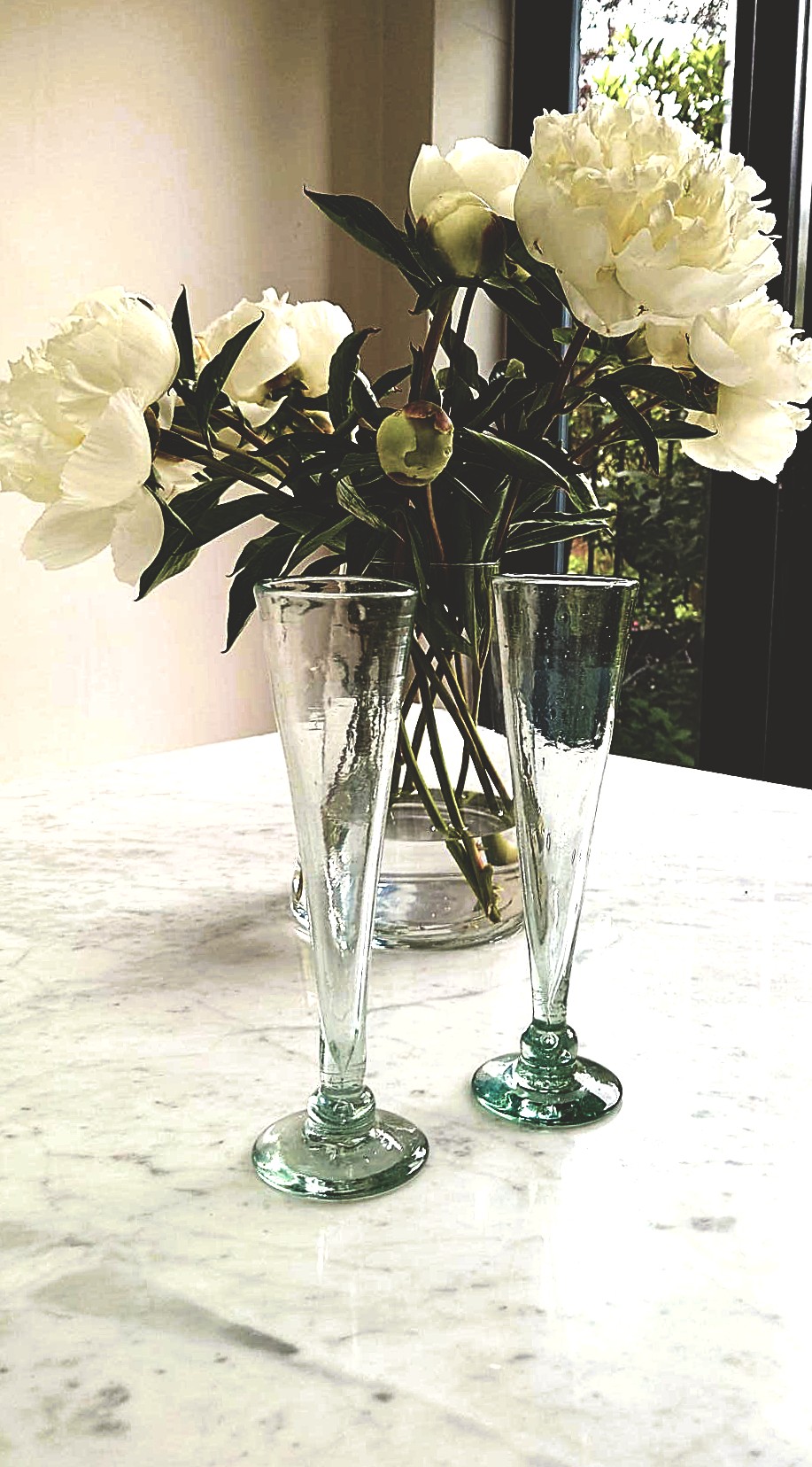
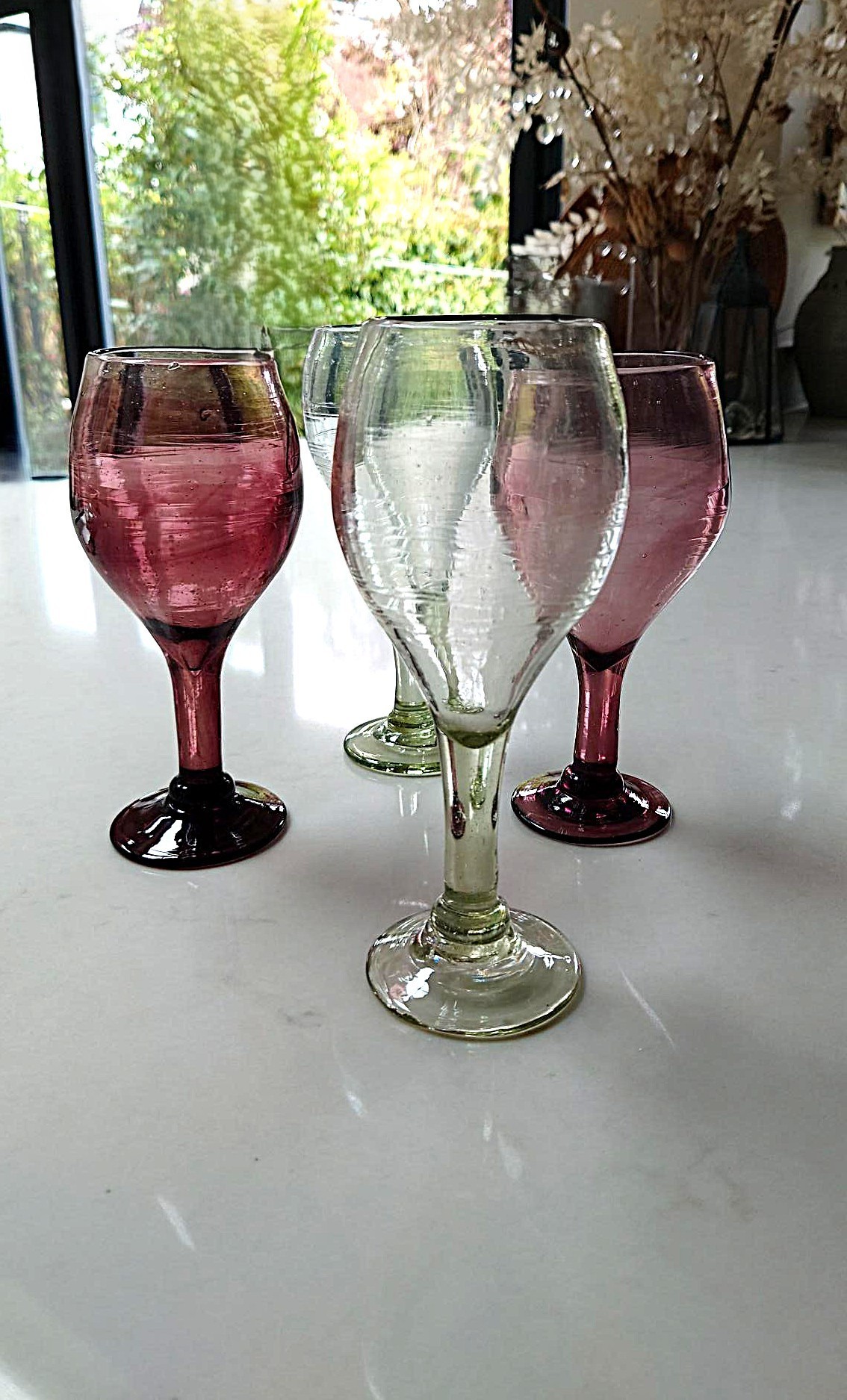
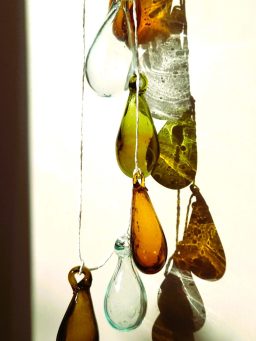
Each piece is made from 100% recycled glass, and by supporting their trade it helps the artists and their communities as they recover from the effects of war.
In 2023 UNESCO included the work by these craftsmen to the: Intangible Cultural Heritage in Need of Urgent Safeguarding.
It is recognised by UNESCO that it provides a source of livelihood for artisans, and Damascene glassblowing contributes to a sense of continuity of traditions and belonging.
Hand stitching
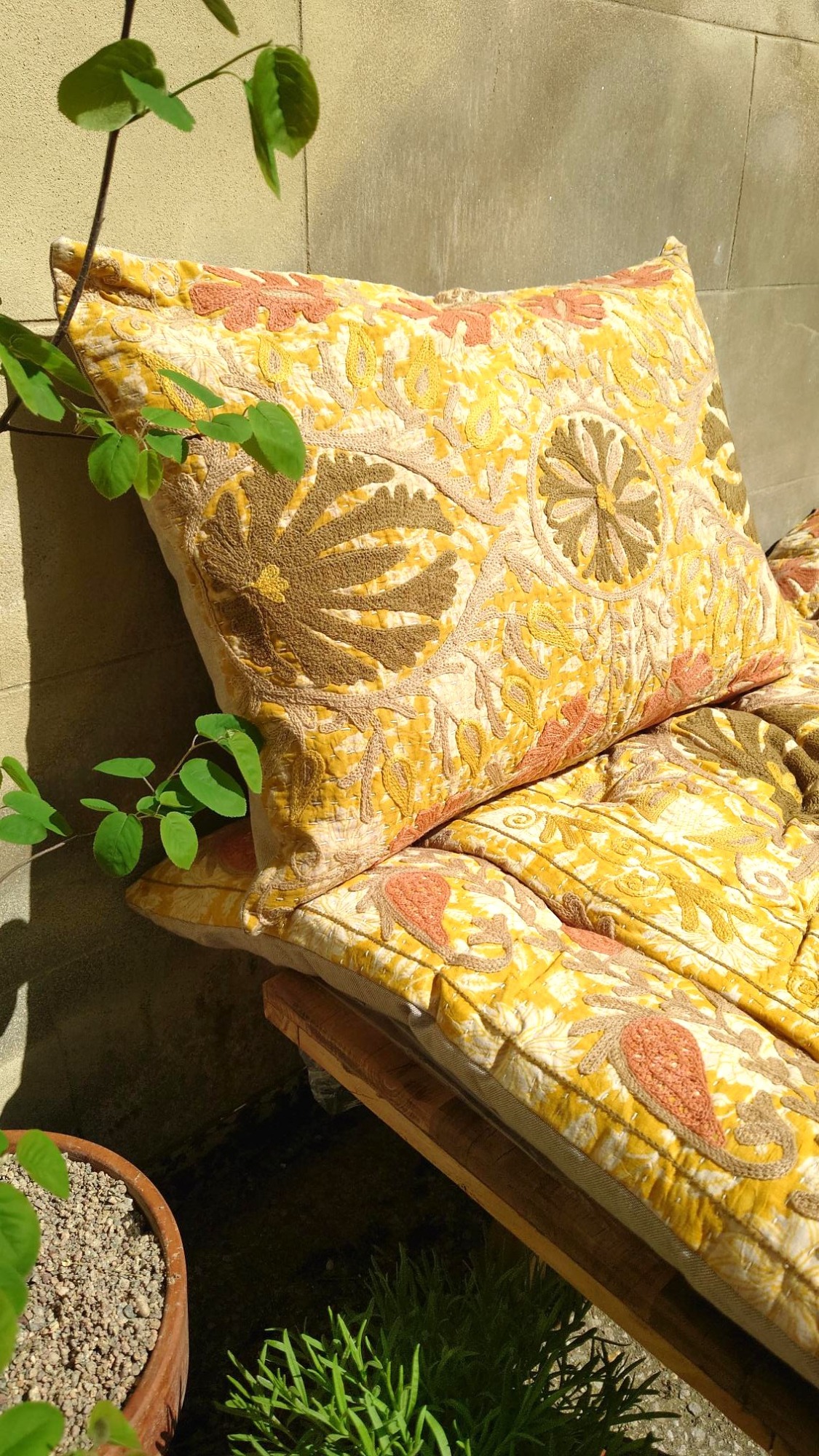
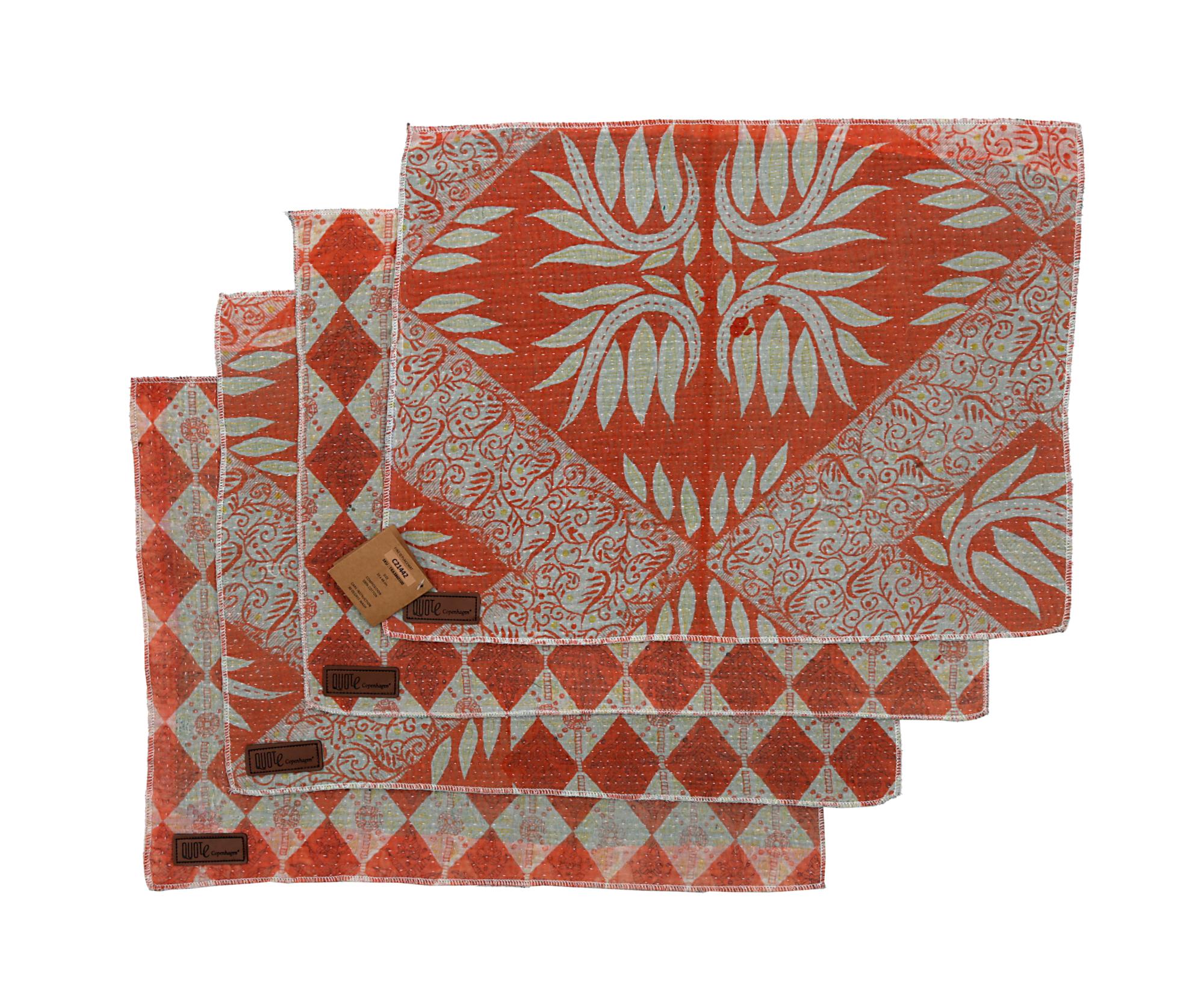
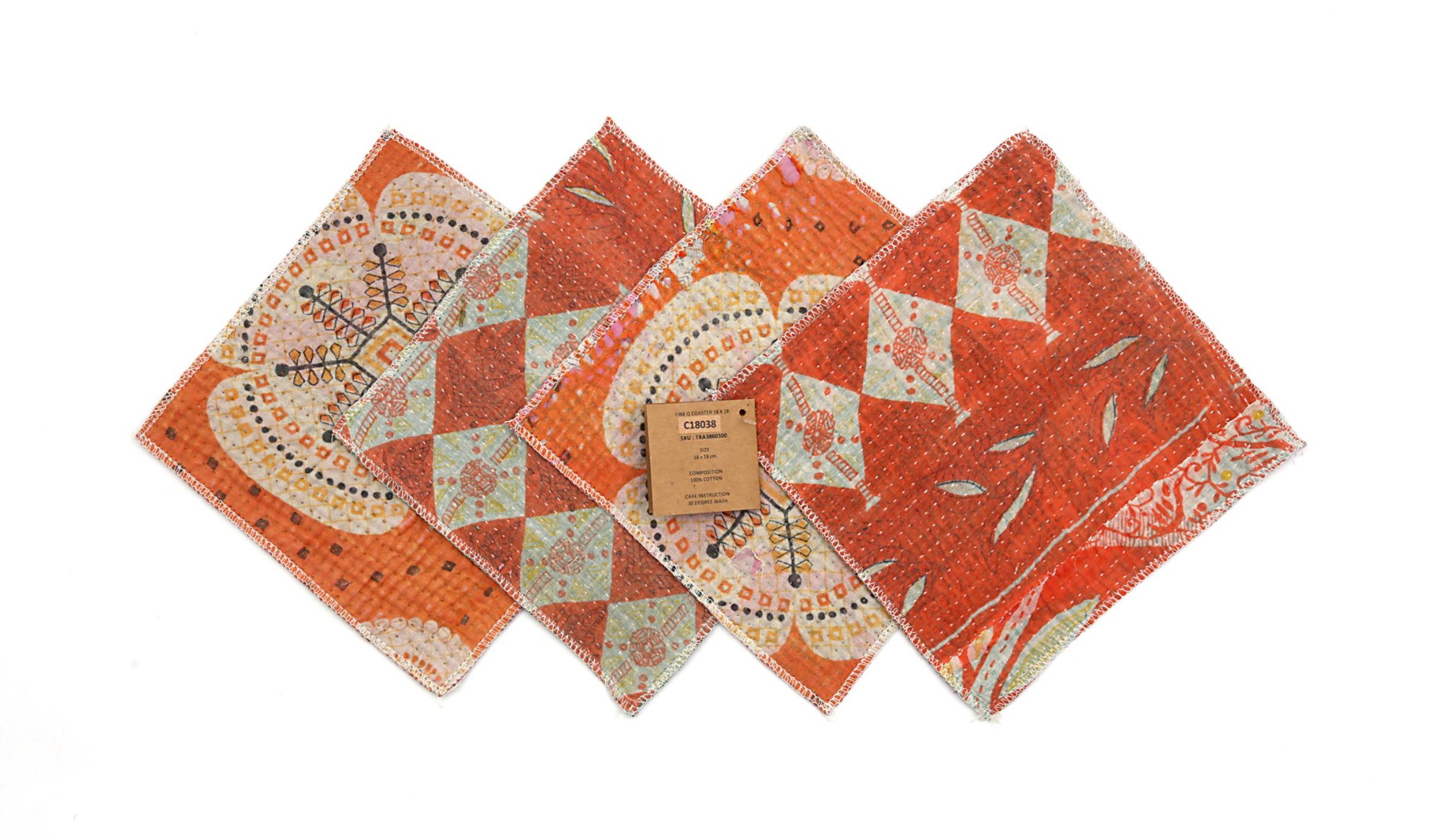
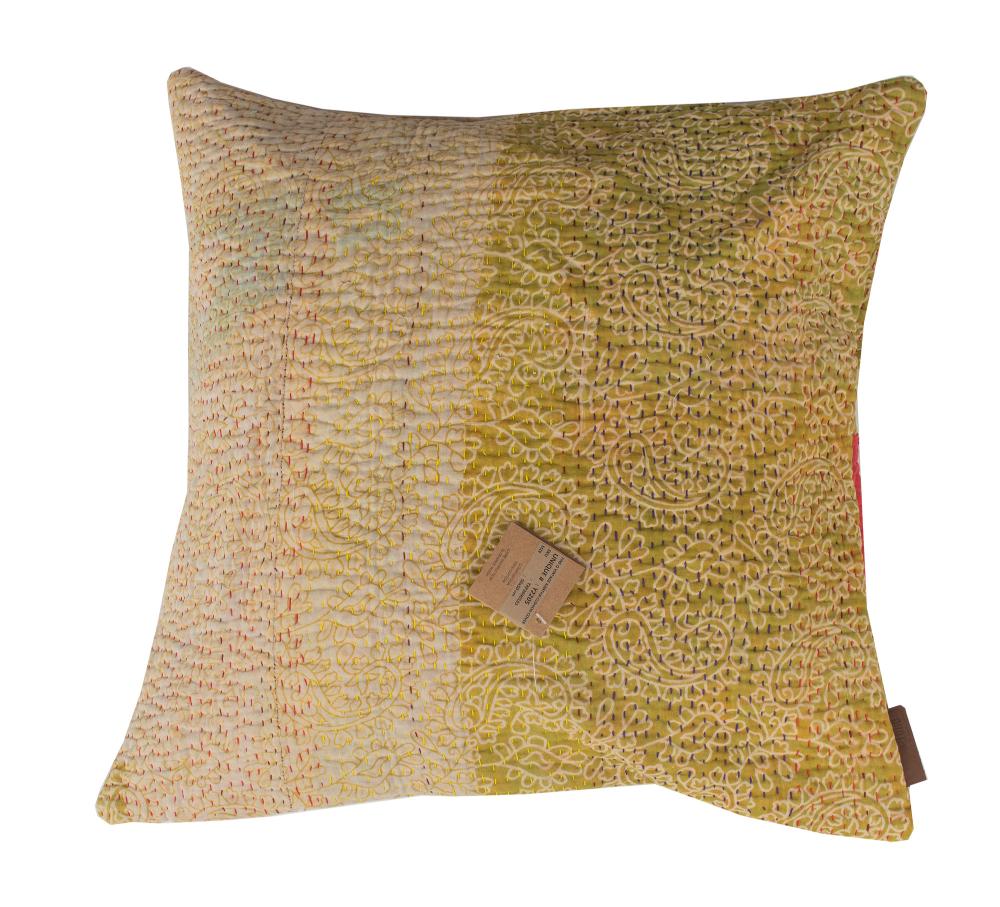
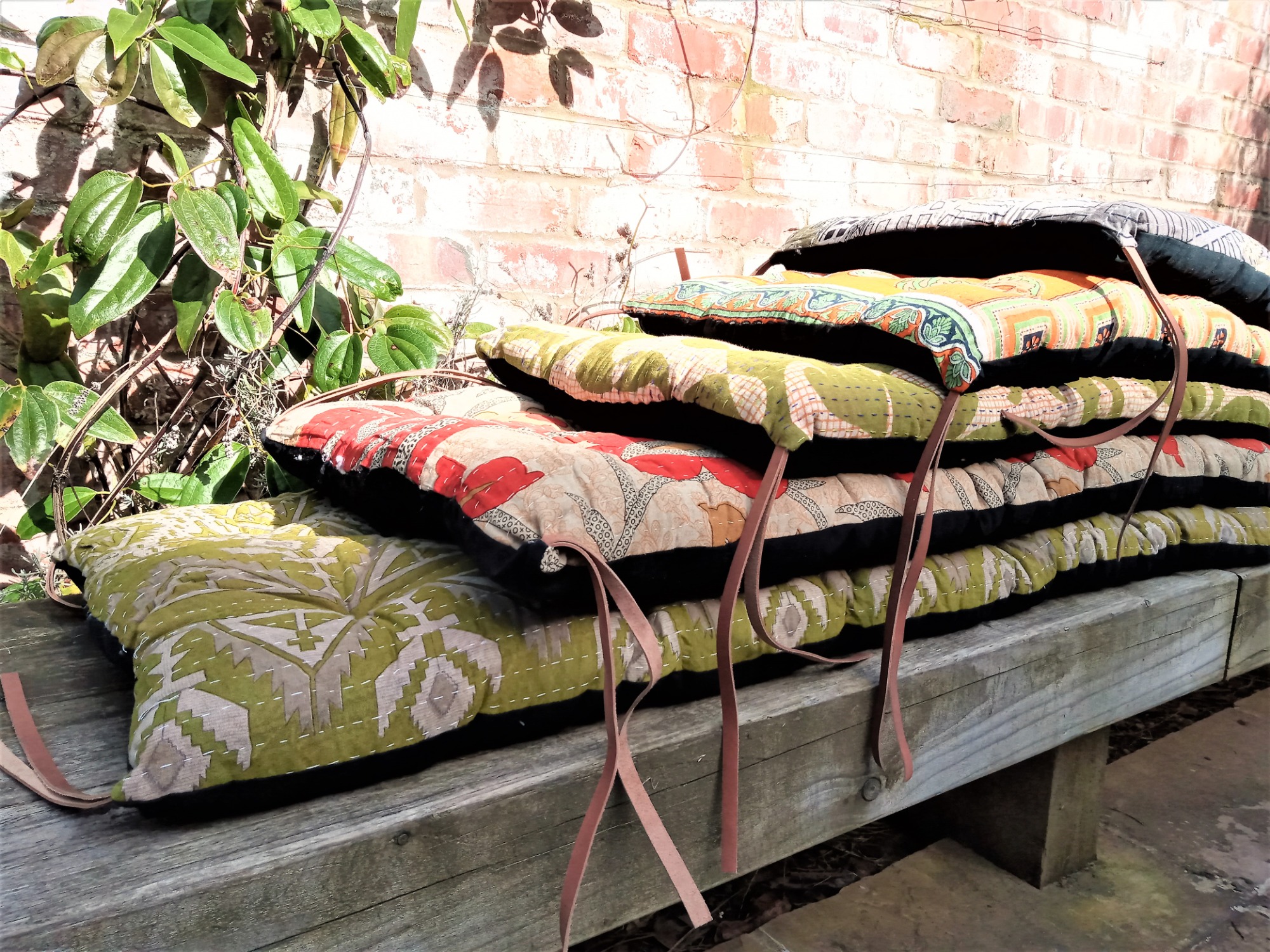
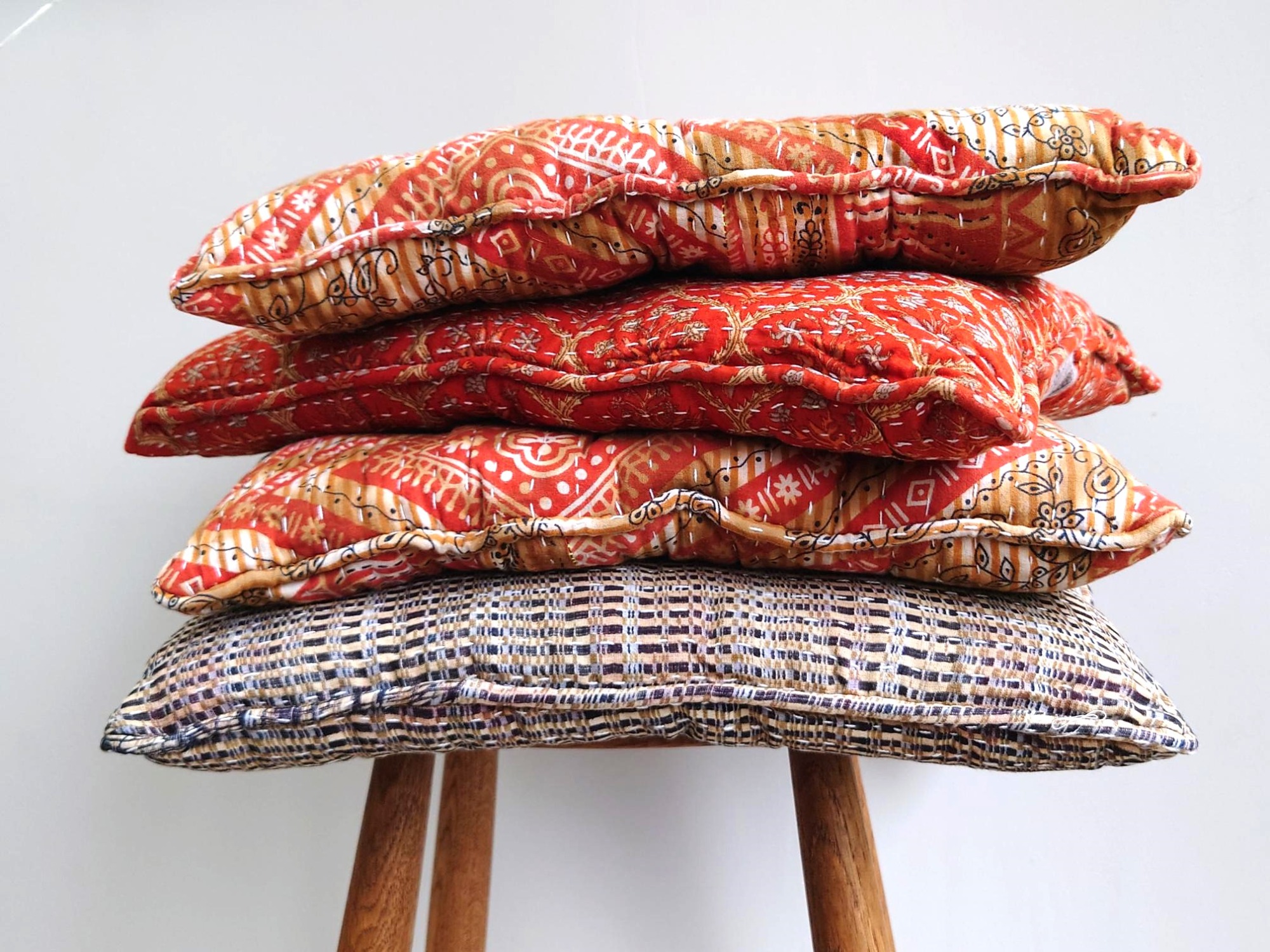
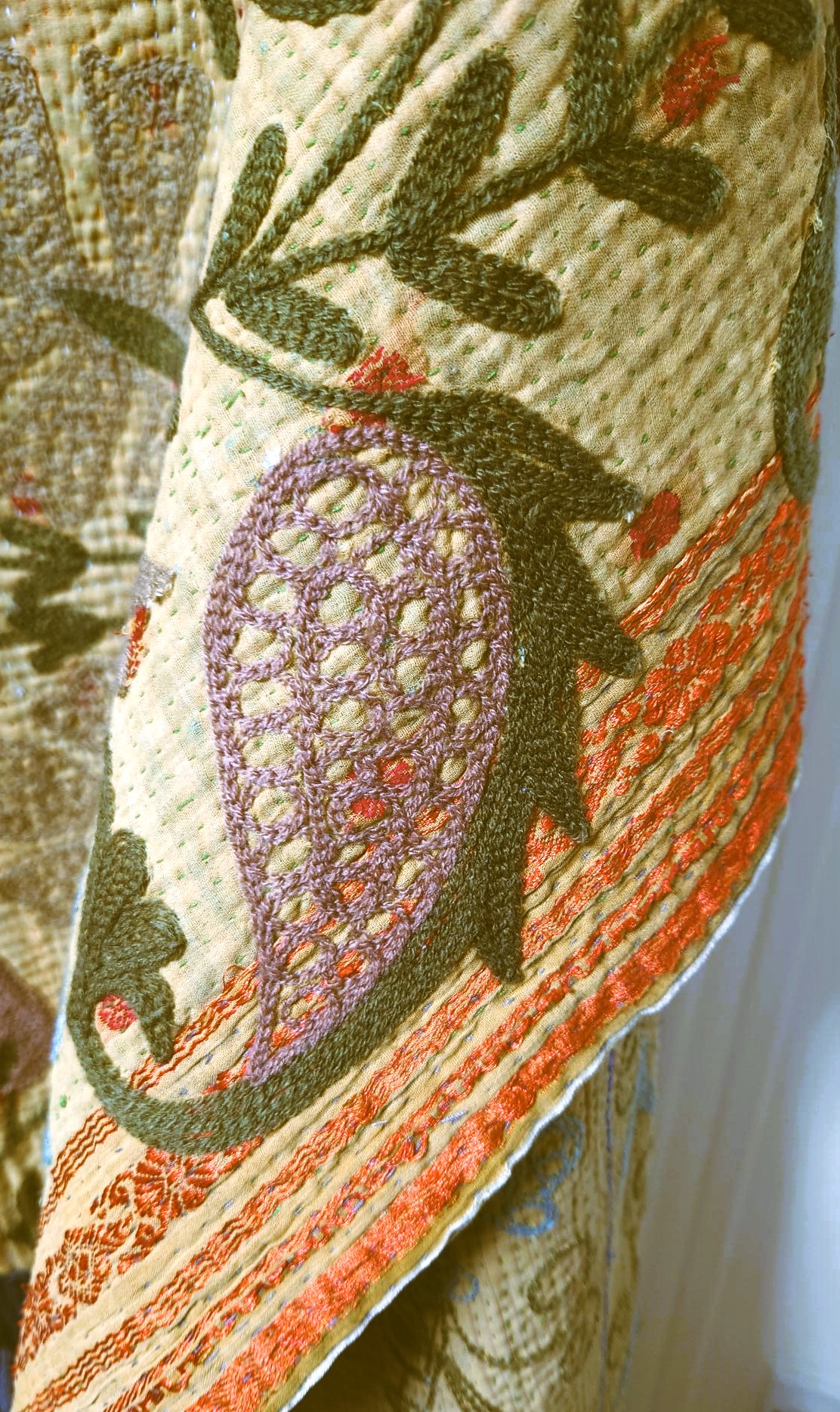
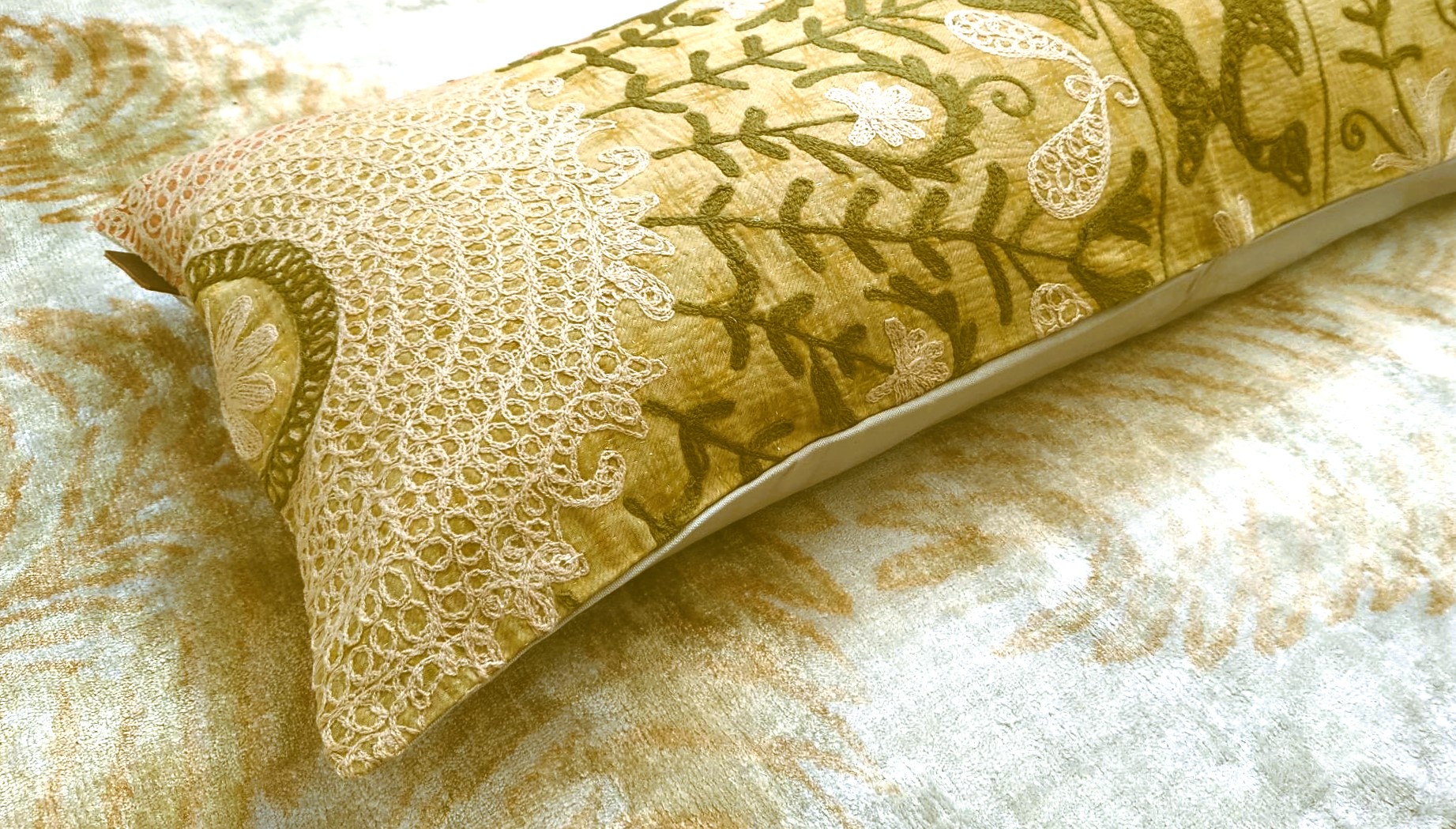
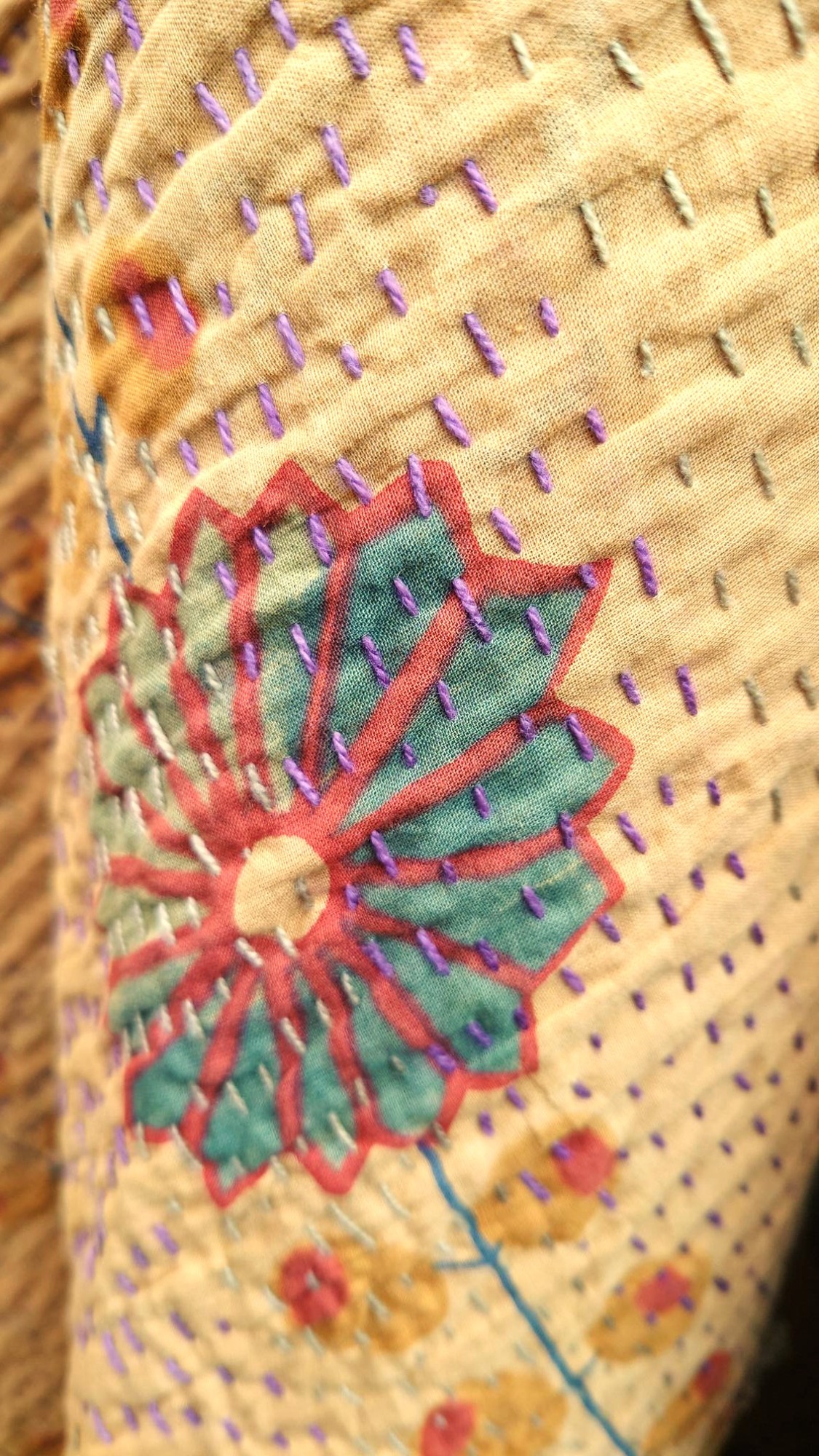
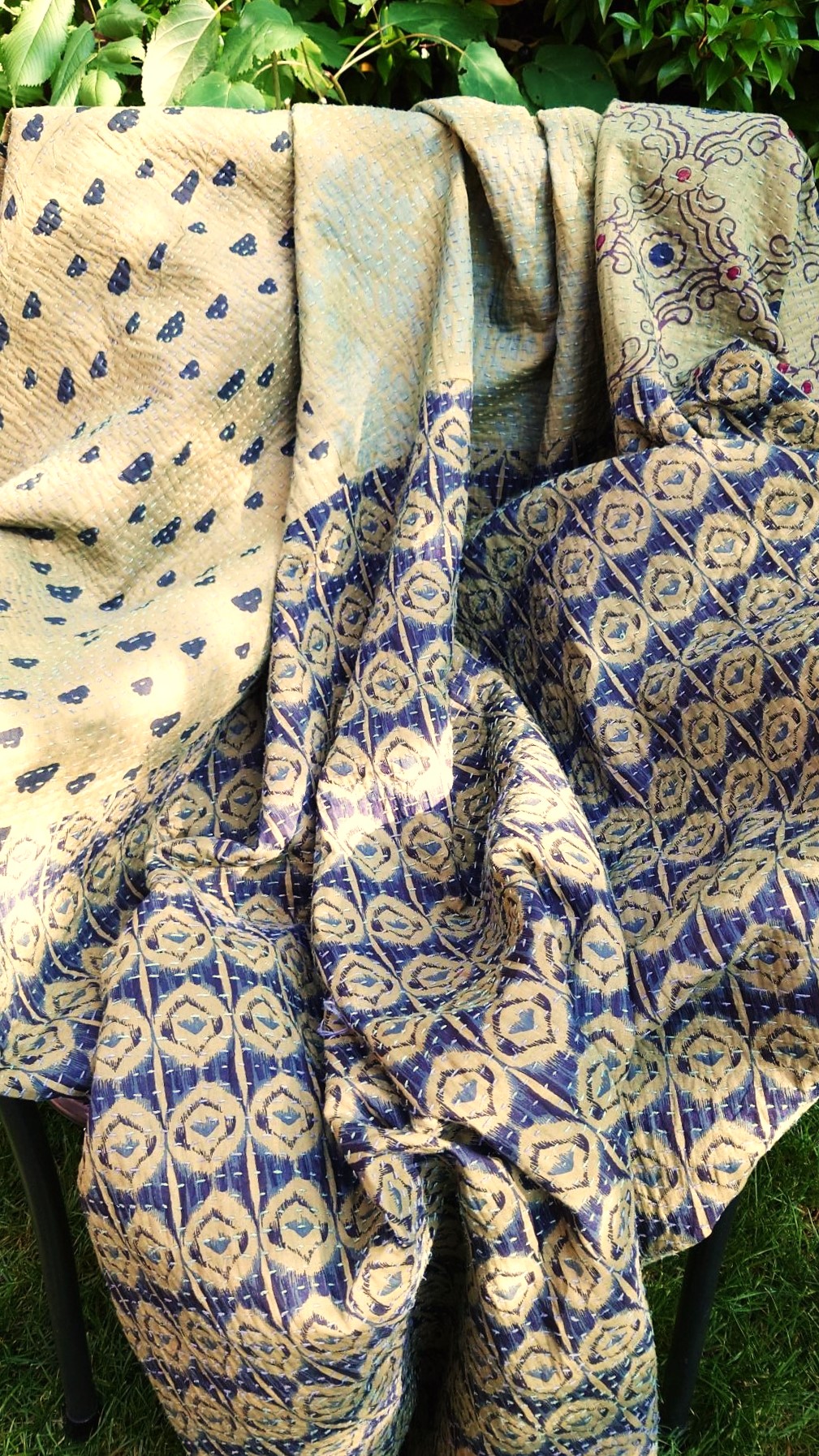
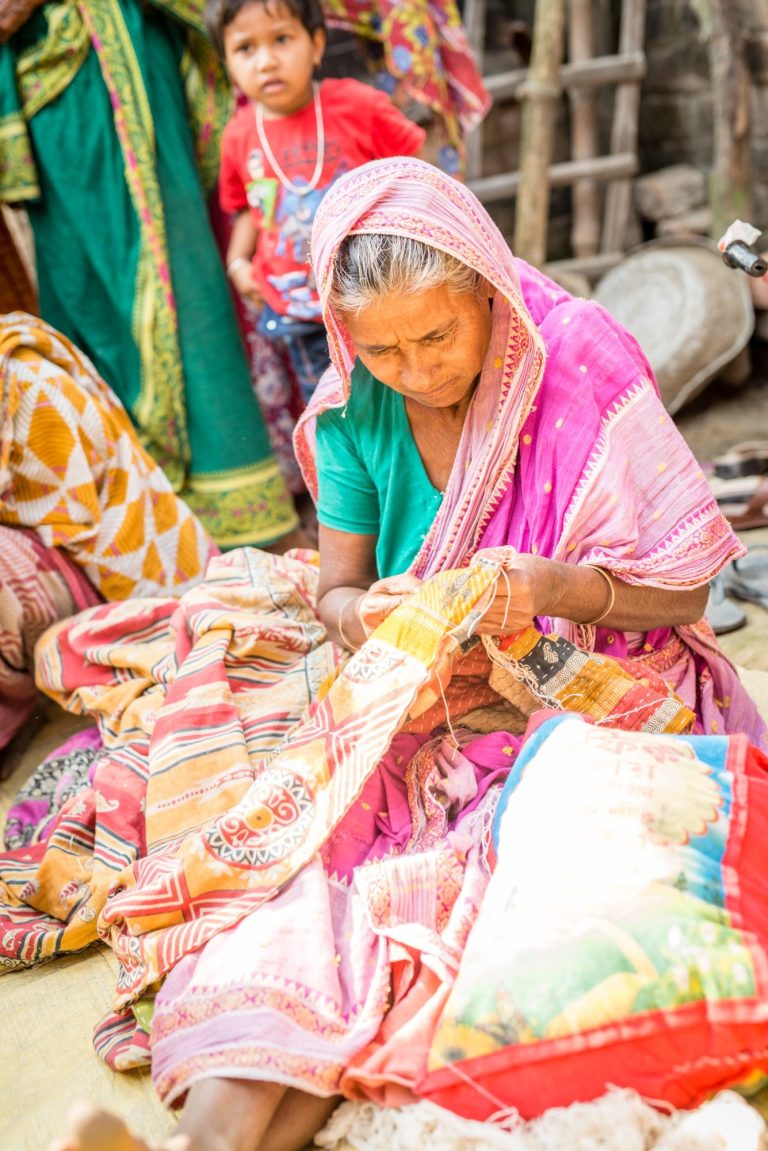
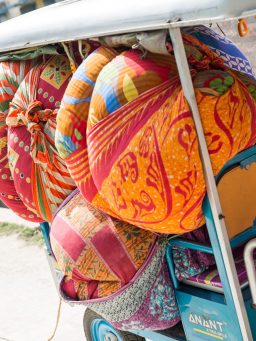
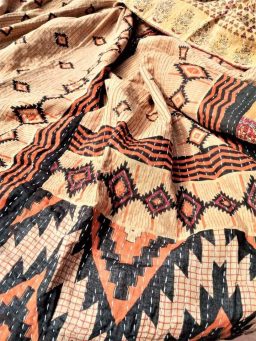
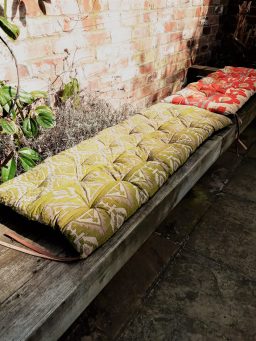
The upcycled vintage sari cushions, bench cushions, seat pads and throws are made by women in a rural village in India. This initiative was set up by a collector of these fabrics who taught them the necessary skills so that they could find employment, which is especially hard to find in rural areas, and to help them gain financial independence.
The material for these items is all upcycled saris, which gives new life to old material and prevents more landfill and waste.
The products are all sewn by hand and each one is unique.
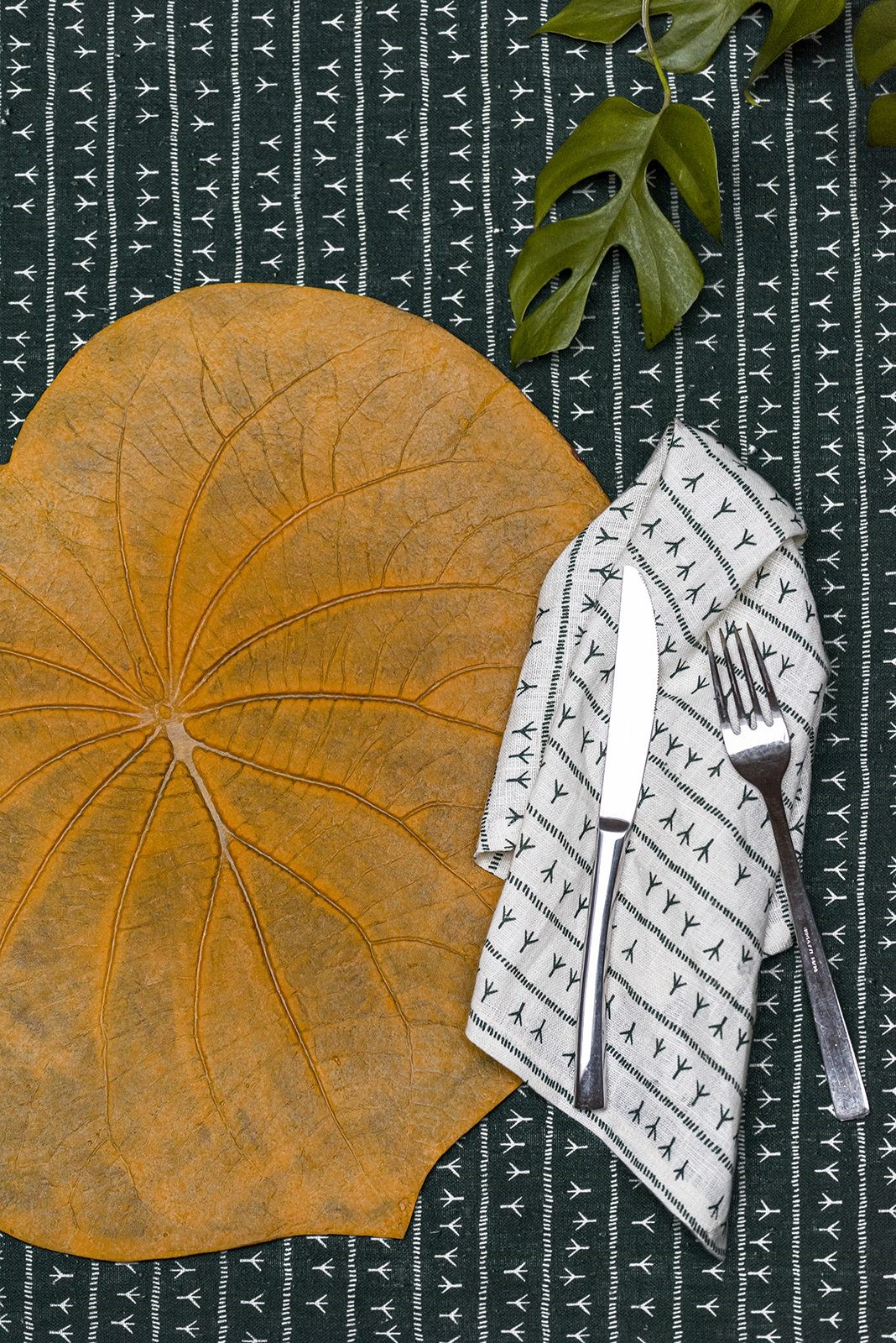
Natural rubber tableware
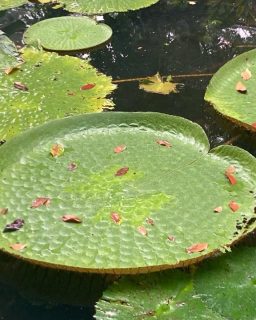
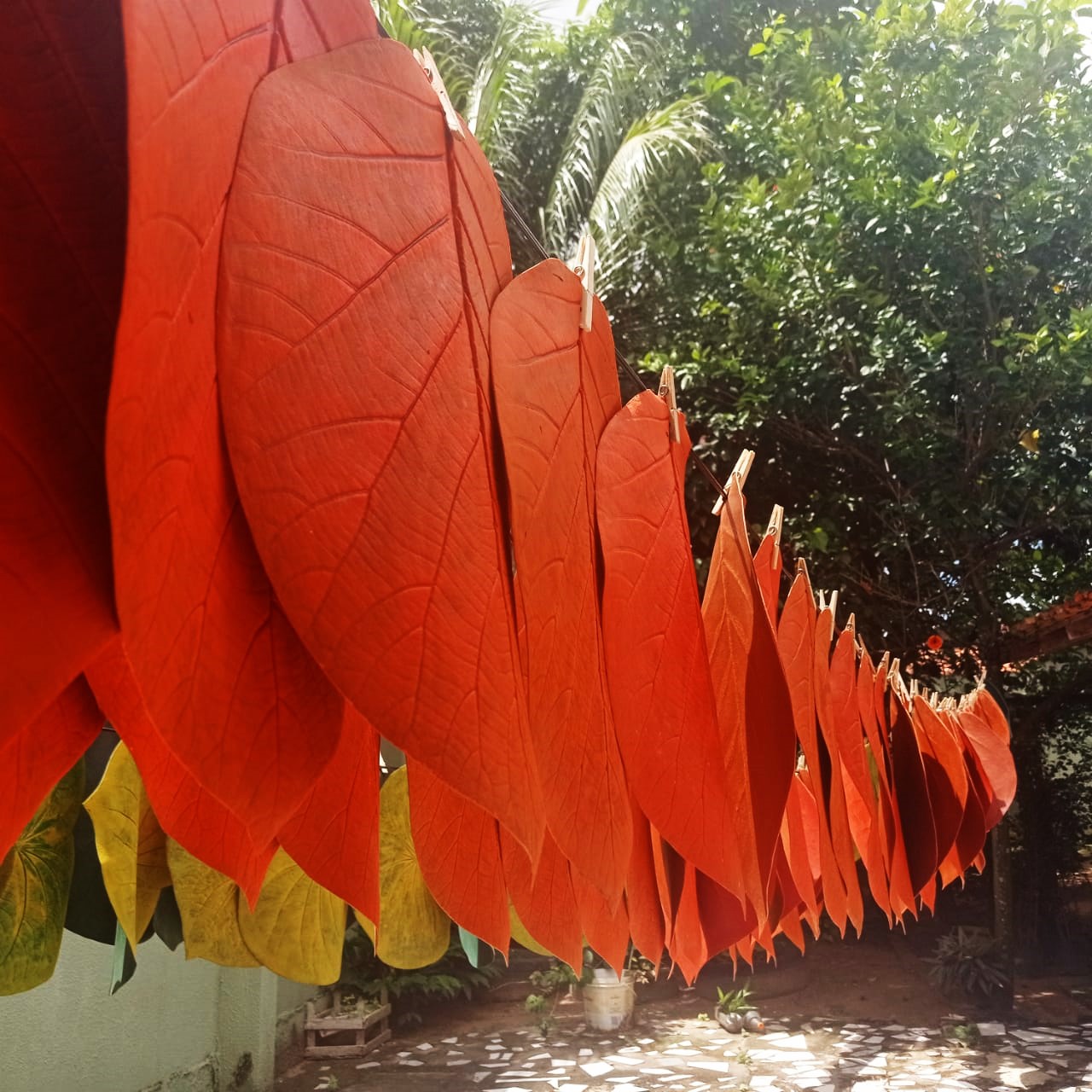
The tableware made from 100% natural rubber is created by a cooperative of 75 native families in the Amazon.
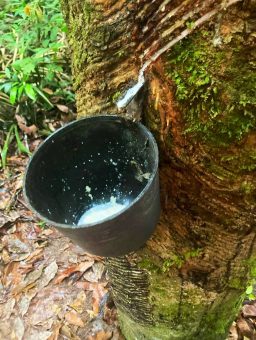
The product is made from 100% natural rubber which is extracted from a tree native to the Amazon forest and the production is respectful of the forests biodiversity.
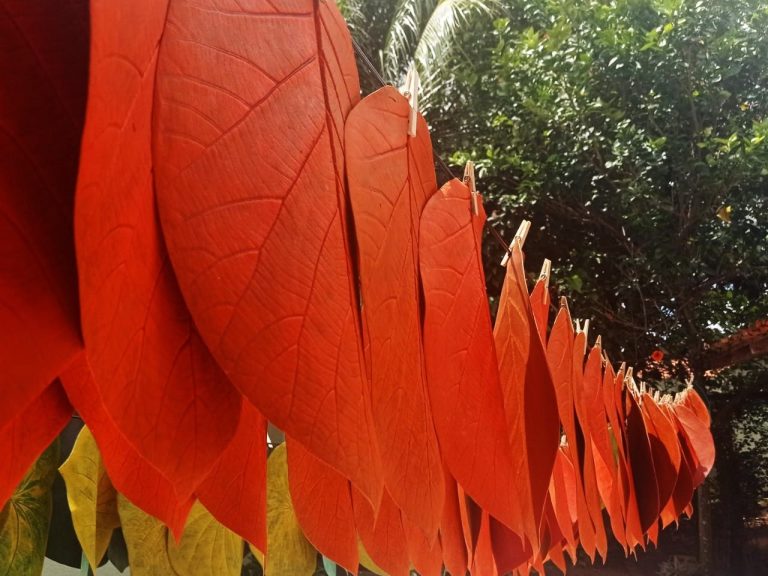
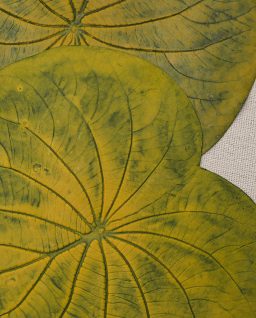
The rubber is poured on to leaves which create the mold for the shape of the tableware and uses natural dyes from seeds and plants. The end product is 100% natural and biodegradable.